
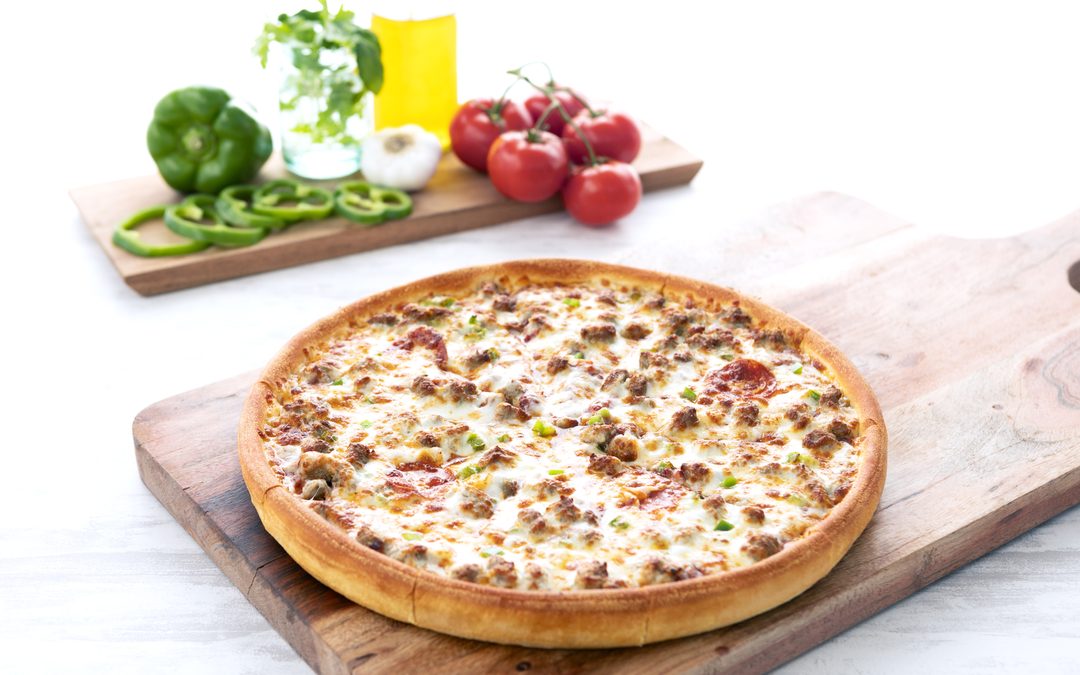
Yesterday’s pizza tastes better because the flavors actually improve while the box sits in your fridge. Three things happen overnight: garlic and herbs meld deeper into the sauce, the cheese fats firm up so each bite feels less greasy, and salt spreads evenly through the crust and toppings. The catch is that not all pizza holds up equally, and a slice made with low-quality ingredients won’t magically get better after a night on the shelf.
The Chemistry Behind Day-Old Pizza
Day-old pizza hits different because every ingredient in the slice goes through real chemical changes overnight. Aromatic compounds in garlic and onions break down and recombine in the sauce, building flavor complexity that was not there when the pie first came out of the oven. Salt from the cheese and acid from the tomato sauce spread evenly into the crust, seasoning the whole slice through instead of sitting on top.
Fat changes the texture in a big way. Cold temperatures keep pizza fats solid, which cuts the greasiness you get from a hot, fresh slice. That firmer cheese gives the bite more structure and feels cleaner on the palate. The crust changes too. Overnight refrigeration converts some of the dough starch to resistant starch, a tougher molecular form that makes the base chewier and denser while holding up better when you pick up the slice and take a bite. That floppy triangle from last night turns into something with real backbone.
Your taste buds also react differently to cold food. Salty taste receptors are not affected by cold temperature, so a refrigerated slice registers as saltier and more seasoned than it did when it was hot. Sweet and bitter flavors pull back in the cold, and the savory side of the cheese and sauce comes forward without competition. Stack all of that together and the next-day slice is not lesser pizza. It is the same ingredients in a different chemical state, one that often delivers a more concentrated, more balanced flavor than the fresh version.
What Happens to Cheese Overnight
Fresh out of the oven, mozzarella is a molten pool that slides off your slice and burns your mouth before you taste anything. Give that same cheese eight hours in the fridge and the fat molecules firm up into a solid layer. Cold temperatures keep pizza fats solid, reducing greasiness and creating a denser, chewier bite that holds toppings in place.
That firmness changes more than texture. The cooled fat grips the crust and locks toppings down instead of letting everything slide around on a greasy surface. At fridge temperature, around 40 to 50 degrees, mozzarella stops releasing its flavor all at once. The fat holds onto aroma compounds and lets them go gradually as you chew, so your first bite delivers taste in layers instead of one hot blast that fades fast. Cold leaves your salt and sour taste receptors fully intact while it mutes sweetness, so every savory note in the cheese registers stronger the morning after.
This is why a leftover slice from a loaded pie hits harder than you would guess. The mozzarella had time to set up, lock down its flavor, and stop being a floppy mess that lets everything fall apart. It went from the weakest part of a fresh slice to the thing holding the whole bite together. The sauce soaked in. The toppings are anchored. Overnight cheese turned from melted chaos into a firm, flavorful layer that makes every other ingredient on the slice taste better.
Why Cold Fat Changes Everything
Cold fat is the reason next-day pizza tastes cleaner and less greasy than what came out of the oven last night. Pepperoni and sausage carry a ton of rendered fat that pools across the surface of a hot slice. Refrigerate that same slice overnight and every one of those fat molecules solidifies. Greasy mouthfeel disappears. The flavor compounds that were floating in liquid oil concentrate into something sharper.
Here’s what solid fat does to your taste buds. At 40 to 50 degrees, fat molecules become far less volatile, so the aromas locked inside those fats release gradually instead of evaporating in one overwhelming blast the way they do off a screaming hot slice straight from the oven. Your salty taste receptors stay fully active at cold temperatures even as sweet and bitter perception drops off noticeably. Cold pizza registers as saltier and more savory without anyone adding a thing. That salt-forward bite is pure physics doing the cooking for you.
This is why topping-heavy slices improve the most overnight. More toppings means more fat going through that liquid-to-solid shift, and the flavor concentration per bite climbs across the board. Thin crust holds up especially well because the crust-to-topping ratio puts the meat and sauce in charge instead of a thick layer of bread absorbing everything. Next time you order a Classic Combo from Godfather’s, set two slices aside in the fridge before you start eating. Breakfast pizza the next morning hits different, and now you know exactly why.
The Starch Explanation Nobody Mentions
Overnight refrigeration converts pizza dough starch to resistant starch, and that single change rewires how the crust tastes and feels. Fresh from the oven, the starch in your dough is soft and pliable. Drop that same slice into a fridge for eight hours and the starch molecules realign into tighter crystalline structures that your body processes differently. The crust firms up without going stale.
That structural shift does more than you’d expect. Resistant starch doesn’t break down as fast when you chew, so the crust holds its shape and delivers a cleaner bite instead of turning into that soft, floppy base that bends in half and dumps toppings onto your shirt. The rearranged starch also absorbs less moisture from the sauce and toppings above it. Where a fresh slice lets everything soak straight through, the overnight crust acts more like a barrier. Texture goes from afterthought to the best part.
This is why thick crust from Godfather’s holds up so well the next morning. A thicker base has more starch available to convert overnight, so the difference between the fresh slice and the leftover one is bigger. Thin crust still benefits, but the change is subtler since there’s simply less dough doing the work. Starch conversion is the piece most people miss when they try to explain why leftover pizza hits different. Nothing random about it. Your dough is restructuring itself while you sleep.
Best Ways to Eat Leftover Pizza
Straight from the fridge is a legitimate move, and plenty of people prefer it. Cold pizza works because solidified fats keep the grease off your fingers while overnight flavor melding gives every single bite more depth than it had when it came out of the oven. But reheating the right way brings back the crunch without undoing those blended flavors, and the method you pick makes all the difference.
A cast iron skillet on medium heat with a lid is the move most people miss. The pan crisps the bottom crust through direct contact while trapped steam melts the cheese without turning toppings to cardboard. A few minutes and the slice rivals the original. Skip the microwave if you can. It pushes moisture into the dough and kills whatever crunch the crust had left. Your oven handles bigger batches if you are reheating for the whole house, though the preheat tests your patience. Across every method, keep heat moderate. Scorched edges and a cold middle come from rushing it.
At Godfather’s, our pizzas hold up overnight because they start with fresh dough and heavy toppings that give the flavor melding something real to work with. A Classic Combo picks up complexity in the fridge that a plain slice never will, and a Hot Stuff with jalapeños and Italian sausage hits harder the morning after. Order extra on purpose. Breakfast pizza straight from last night’s Godfather’s box is a San Antonio move you do not come back from.
When Leftover Pizza Goes Bad
All those overnight flavor benefits only work if the pizza was refrigerated within a reasonable window after it came out of the oven. A box sitting open on the counter through a San Antonio summer night is not aging gracefully. Cheese and meat toppings sit in the danger zone for bacteria, and warm temperatures give those microorganisms exactly what they need to multiply. The same science that concentrates flavor in the fridge also means proper storage is not optional.
Refrigerated pizza stays good for a few days before quality drops off a cliff. The crust dries out and turns leathery instead of holding that pleasant chewy texture from retrograded starch. Sauce goes flat rather than tasting concentrated and seasoned. Cheese that was firm and flavorful yesterday develops a slimy film. If toppings smell sour beyond normal tomato tang, that slice crossed the line. Your nose knows the difference between the good kind of aged flavor and actual spoilage, so trust it.
Get your leftovers into the fridge quickly and plan to eat them within a couple of days. Stack slices with parchment or foil between them so they do not stick together, and use a sealed container instead of leaving the cardboard box cracked open. The box lets air circulate and dries everything out faster. When you order from Godfather’s, you can place your order a full day in advance through our online ordering. Fresh pizza on your schedule means better leftovers tomorrow, and that is the whole point.
Resources Used
Frequently Asked Questions
Why does cold pizza taste so good the next morning?
Cold pizza hits different, and there is actual science behind it. Salty taste receptors are not affected by cold temperature, making cold pizza taste saltier and more satisfying straight from the fridge. Cold temperatures also keep pizza fats solid, reducing greasiness and giving each bite a cleaner texture. Meanwhile, the sauce, cheese, and toppings have spent hours trading flavors back and forth, creating a more balanced slice. At Godfather’s, we use quality ingredients that have plenty of flavor to develop overnight. That leftover slice from last night’s order is not a consolation prize. It is a feature.
What actually changes inside a pizza slice overnight?
A lot happens while your pizza sits in the fridge. Overnight refrigeration converts pizza dough starch to resistant starch, which changes how the crust feels when you bite into it. Aromatic ingredients like garlic and onions improve in flavor complexity overnight, blending deeper into the sauce. Moisture from the sauce and toppings migrates into the crust or evaporates slightly, concentrating the remaining flavors. The cheese firms up as fats solidify at lower temperatures, creating that satisfying cold-pizza chew. Every ingredient gets more time to settle into its role. The slice you pull out in the morning is a more unified version of what went in.
Is it safe to eat leftover pizza the next day?
Yes, as long as you got it into the fridge reasonably soon after delivery or pickup. Pizza that sits at room temperature too long enters the range where bacteria grow fast. If you ordered Godfather’s for dinner and stashed the extras in the fridge before bed, those slices are good to eat the next day. Store them in an airtight container or wrap them well. The fridge does double duty here, keeping your food safe while also letting those flavors meld and develop. Do not leave pizza on the counter overnight and expect it to be fine.
What is the best way to reheat leftover pizza?
A skillet on medium heat is the best method most people overlook. Put the slice in the pan, add a few drops of water, and cover with a lid. The steam re-melts the cheese while the direct heat crisps the bottom back up. Your oven works too. Set it to a moderate temperature and give the slices a few minutes until the cheese starts bubbling. The microwave is fast but tends to make the crust chewy and rubbery. Some people skip reheating entirely and eat their Godfather’s cold straight from the fridge. We respect that move.
Does the type of crust affect how pizza tastes the next day?
It does, and the difference is real. Thin crust loses moisture faster in the fridge, so it tends to get crispier and more cracker-like by morning. Thick crust holds onto more moisture, staying chewier and more bread-like. Both benefit from the same starch conversion that happens during refrigeration. Overnight refrigeration converts pizza dough starch to resistant starch, and thicker crusts have more dough going through that process. At Godfather’s, we make both thin and thick crust, and regulars debate which one makes the better leftover. Order both next time and settle it for yourself.