
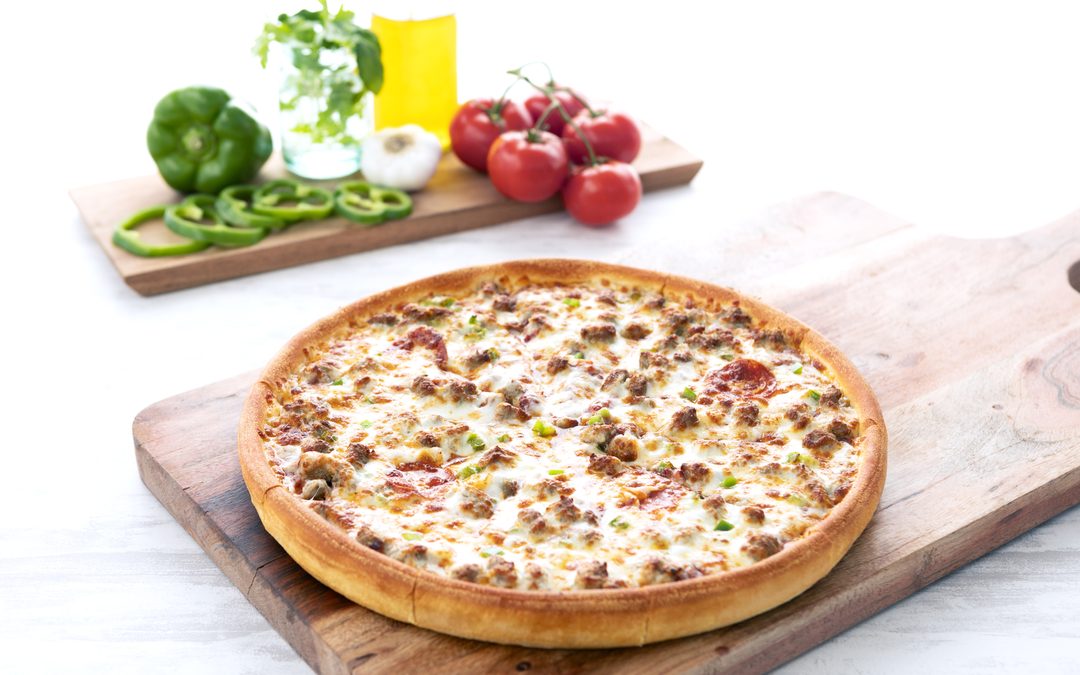
Ordering pizza at a job interview works in your favor when you pick the right pie and eat it clean. Three factors separate a smooth lunch from an awkward one: your topping choice, how you handle the slice, and whether the setting calls for pizza at all. One wrong move, like a loaded combo dripping sauce down your shirt, shifts the conversation from your qualifications to your napkin count.
Can You Order Pizza at a Job Interview Lunch?
Ordering pizza at an interview lunch works when the setting calls for it. Read the room. A team lunch at a local pizza spot is a green light, and turning down pizza when everyone else is eating it looks stranger than joining in, but a formal sit-down where everyone else orders off the entree menu is a different read entirely.
| Interview Setting | Order Pizza? | Best Move | Watch For |
|---|---|---|---|
| Team lunch at a pizza restaurant | Yes | Thin crust, one or two toppings | Skip anything that needs two hands to hold together |
| Interviewer suggests sharing a pie | Yes | Let them pick toppings first | Do not override their choice |
| Formal restaurant with a full menu | No | Match what the interviewer orders | Pizza reads too casual at a tablecloth spot |
| Working lunch in a conference room | If offered | Cheese or a basic one-topping | Grease on shared papers is a bad look |
| Remote interview, eating on camera | Your call | Whatever sounds good | Keep the camera above your plate |
| Catered group interview | Yes | One or two slices max | Grab yours after everyone else has eaten |
If you end up picking the pizza for the group, go with something crowd-friendly and clean to eat while you talk. Godfather’s Thin crust with a single topping works for almost everyone and holds together when you eat it one-handed. Avoid anything stuffed, loaded with extra sauce, or topped with ingredients that slide off the crust the second you pick it up. Nobody remembers the pizza. They remember whether you were easy to talk to, whether you hogged the last slice, and whether you managed to keep sauce off the interviewer’s paperwork.
When Pizza Is the Right Call at an Interview
Pizza is the right call when the interviewer picks the restaurant or the whole team orders from the same spot. The mistake most candidates make is treating the food choice like a test. It is not. If every person at the table is reaching for slices, ordering a garden salad to seem professional actually makes you the odd one out.
Hiring managers are watching how you handle the casual stuff. Reaching for the same pizza as the rest of the group signals you can read a room and go with the flow. Asking for a separate order, pulling out dietary restrictions you did not mention ahead of time, or spending three minutes studying the menu while everyone else has already started eating all send the same message: high maintenance. Fair or not, that read sticks.
Think about it from the hiring manager’s side. They brought the team to a casual pizza place because they want to see who fits the group when the formal pressure is off. A candidate who orders something entirely different, requests custom toppings nobody asked for, or picks up a fork and knife while the rest of the table eats with their hands creates a small but memorable moment of friction. Grab two slices of a familiar topping, keep a napkin in your lap, and talk about the work. That is the full strategy.
What to Order If Pizza Is on the Table
Go with whatever you can eat cleanly in two hands without looking down at your plate every three seconds. Thin crust holds its shape and stays rigid, which means no folding, no dripping, and no emergency napkin grabs. Pair it with one or two toppings, and the slice practically takes care of itself while you talk.
- Crust matters more than toppings: At Godfather’s, Thin crust is the interview-safe pick because it stays flat and firm. Original works if you prefer something with more body. Golden crust splits the difference. Save the Mozza-Loaded for a celebration dinner after you land the offer, because stuffed crust gets messy.
- Stick with toppings that stay put: Pepperoni, sausage, or a basic cheese pizza all hold together on the slice. A fully loaded pie with multiple vegetables drops toppings the second you pick it up, and chasing a mushroom across your plate while answering a question about your strengths is not the look you want.
- Match what the group orders: If the team picks a specialty like the Classic Combo or Hot Stuff, grab a slice from the same pie instead of requesting something completely different. Food choices send a signal at an interview whether you mean them to or not. Going along with the group shows you can read a room.
- Skip the sides at the table: Breadsticks and Cheesesticks are great on a normal visit, but dipping sauces at an interview create one more thing to juggle and one more thing to spill. Stick with your slice, keep your hands clean, and save the full spread for after you get the job.
How to Eat Pizza Without Making a Mess
Fold the slice in half lengthwise and eat from the pointed end forward. That single move keeps toppings locked in place and grease off your fingers. Most mess at the table happens when someone holds a flat slice horizontal and lets gravity pull everything toward their shirt. The fold solves that structural problem before the first bite lands.
- Blot the surface first: Before your first bite, press a napkin flat across the top of the slice and lift straight up. That quick move pulls the surface grease off before it transfers to your hands and chin. Skip this step and you wind up with shiny fingers and oil spots on your resume folder.
- Keep the plate close: Hold your plate at chest height between bites instead of leaving it flat on the table while you talk. The longer a loaded slice travels between the plate and your mouth, the more time gravity has to pull sauce and cheese down onto your interview clothes. Short distance, clean shirt.
- Two napkins, two jobs: Set one napkin on your lap for whatever falls and keep a second one in your non-pizza hand for whatever sticks to your fingers. This way you never have to set down your slice and hunt for a napkin while sauce drips off the crust and onto the table.
- Small bites, mouth closed: Take bites you can finish in two chews without opening your mouth mid-chew. Nothing stalls a good conversation faster than a mozzarella strand hanging from your chin while your interviewer asks about your five-year plan. Size every bite so you can answer a question right after swallowing.
Toppings That Keep Your Hands and Shirt Clean
Stick with toppings that hold their shape and stay anchored to the cheese. Pepperoni, sausage, diced chicken, green peppers, onions, and mushrooms all sit flat against the crust and don’t slide when you pick up a slice. The toppings that get candidates into trouble are the wet, slippery ones and anything that stretches into long strings between mouth and plate. Grease is the other enemy.
Skip extra cheese and fresh tomato slices for this meal. Extra cheese creates those long, stretchy strings connecting your mouth to the slice while you’re trying to look composed, and fresh tomatoes release juice the second you bite through the skin. That juice runs straight down the crust onto your fingers before you can do anything about it. Specialty pies built on cooked toppings work better here. Something like Godfather’s Classic Combo keeps everything layered flat under the cheese, so nothing slides or drips when you pick up a slice.
Sauce choice matters more than most people think. Barbecue sauce and ranch drizzle both run off the edges of a warm slice and end up on your hands in a way that’s impossible to manage without grabbing extra napkins. A standard red sauce or white garlic base stays put under the cheese where it belongs. The whole point of choosing toppings carefully at an interview meal is building a slice that behaves the same on the last bite as it does on the first. No surprises, no drips, no pausing the conversation to wipe your hands.
When Pizza Is the Wrong Choice at an Interview
Skip pizza when the meal is at a sit-down restaurant with cloth napkins, when the interviewer orders a composed plate, or when the role is client-facing and the lunch doubles as a dining etiquette screen. The wrong food choice alone won’t end your candidacy. But stacking a casual order on top of a formal setting tells the hiring manager you missed context sitting right in front of you.
| Scenario | What It Costs You | Better Move |
|---|---|---|
| Formal restaurant with cloth napkins | Pizza signals you didn’t register the setting | Order a plated entree and follow the interviewer’s lead |
| Interviewer orders a salad or wrap | Standing out as the only pizza order draws the wrong attention | Match the meal format the interviewer chose |
| Client-facing or executive role | Eating with your hands during a strategy conversation looks unpolished | Pick something you eat with a fork and knife |
| Video lunch or phone screen | Greasy fingers on a keyboard show up on camera | Eat before or after the call, keep the screen clean |
| Group panel at a restaurant | A full pizza takes longer to arrive and requires more attention to eat | Order something quick that keeps conversation flowing |
Nobody loses a job offer for ordering a sandwich instead of a slice. The risk runs the other direction. Choosing pizza when everyone else went fork-and-knife shows you missed the social cues, and reading people is half of what a lunch interview measures. When the setting feels uncertain, default to something simple. Save the pizza order for the celebration after you land the job.
What If You Are the One Ordering for the Group?
Being the person who places the group order at an interview meal puts you in a quiet leadership spot. Do not overthink it. Ask the table about dietary restrictions, pick two or three different pizzas that cover the range, and get the order placed before the conversation stalls on what everyone wants for ten minutes. Decisive ordering signals competence.
- Check dietary needs early: A simple “anyone vegetarian or have allergies?” before you order prevents the moment where someone sits staring at a meat-loaded pizza they will not touch. One cheese or veggie option alongside a couple of meat pizzas covers the table without turning the order into a production.
- Stick with crowd-safe toppings: Pepperoni, sausage, and green peppers work for groups because nobody finds them controversial and they sidestep the topping debates that come with anchovies or pineapple. When ordering for people you barely know, safe beats creative. Zero complaints is the goal.
- Add a shared side: Breadsticks or Cheesesticks give the table something to grab while the pizzas come out and fill the gap if someone wanted another slice that is already gone. A shared side shows you thought past your own plate.
- Place the order and move on: Going back and forth about toppings for five minutes reads as indecisive to the entire table. Ask once, pick, and call it in. The people across from you are evaluating whether you can make a decision under low pressure, and you want the answer to be obvious.
Quick Recovery If Pizza Goes Sideways
Something will go wrong. A slice folds the wrong way, sauce drips on your shirt, or a topping slides off onto the table. The candidates who get hired are the ones who handle small messes without freezing up or launching into a five-minute apology. One napkin, one quick correction, and you keep the conversation going. Interviewers remember composure. They forget the pepperoni.
- Sauce on your shirt: Grab a napkin, dip a corner in your water glass, and press it against the spot without rubbing. Rubbing spreads the stain and turns a small splash into a visible streak across your chest. Press, lift, set the napkin aside, and get back to the conversation.
- Topping slides off your slice: Use a fork to scoop it back onto your plate, keep eating without stopping to apologize, and let the moment pass because a calm two-second recovery reads as confidence to everyone watching from across the table.
- Grease on your hands before a handshake: Keep a napkin on your lap through the whole meal so you always have a quick wipe within reach. When someone extends a hand, one pass across the napkin and a firm shake lands better than an awkward dodge or a mumbled excuse about greasy fingers.
- Wrong order shows up: If the pizza has toppings you did not order or cannot eat, mention it once to the server and eat what works from the rest of the table. Do not turn a kitchen mix-up into a ten-minute production while the interviewer sits watching you negotiate with the waitstaff.
Resources Used
Frequently Asked Questions
Is it okay to suggest pizza for a job interview lunch?
Pizza works for a casual interview meal, especially when the interviewer leaves the restaurant choice to you. A sit-down pizza spot signals confidence without being stiff or overthinking the setting. Pick a location with a calm dining room and enough space for real conversation. Avoid anywhere with long wait times or a crowd so loud you are shouting answers. The goal is a place where food supports the meeting instead of stealing the spotlight. Godfather’s Pizza on Highway 151 in San Antonio has a relaxed setup, solid menu, and a dining room where you can actually hear each other.
What type of pizza should you order during an interview meal?
Keep it simple. A cheese or single-topping pizza on thin crust is your safest move. Skip loaded specialty pies with toppings that slide, drip, or require two hands to manage. You want to focus on conversation, not wrestle with your food. If the restaurant offers personal-sized options, go with those so you are not dealing with a full pie at the table. At Godfather’s Pizza, the Thin Crust with one or two toppings gives you a clean, manageable slice. Breadsticks or Cheesesticks from the sides menu also work if you want something lighter.
Is thin crust or thick crust better for an interview setting?
Thin crust wins for interview meals. It is easier to cut, less messy to eat, and you finish slices faster so you can get back to talking. Thick crust and stuffed options taste great, but they need more hands-on effort, more napkins, and more chewing time between answers. If you are ordering from Godfather’s Pizza, the Thin Crust keeps things neat. The Original crust works too if you want a bit more substance without the mess of a loaded pie. Save the Mozza-Loaded stuffed crust for a celebration dinner after you land the job.
Can you eat pizza neatly enough for a professional setting?
Yes, if you order smart. Stick to thin crust with minimal toppings and use a fork and knife when slices are large. Keep napkins within reach but do not build a napkin fortress on the table. Take small bites so you can answer questions without a long pause. Blot excess grease before your first bite. Skip anything with extra sauce or toppings that fall apart on the way to your mouth. The goal is to eat without thinking about eating. When the pizza is manageable, you stay locked on the conversation where it actually matters.
What is a red flag when eating pizza during a job interview?
The biggest red flag is treating the meal like it is just about food. Checking your phone at the table, talking with your mouth full, or spending more time on the menu than on the conversation all send the wrong signal. Ordering the most expensive item, complaining about the food, or being rude to the server are deal-breakers. The interview starts the second you walk into the restaurant. How you treat staff says as much about your character as anything on your resume. Keep your order simple, your attention on the interviewer, and your napkin in your lap.
What is the biggest red flag to hear when being interviewed?
A manager who can’t explain day-to-day responsibilities or dodges questions about scheduling and training is worth watching closely. Good pizza shops tell you exactly what the job looks like, from prep work to closing duties, because they want people who stick around and grow with the team.
What are the 5 C’s of interviewing?
Competence, character, confidence, chemistry, and culture fit make up this popular interview framework. Hiring managers evaluate all five, so research the company, practice your answers, and walk in ready to show you’re a strong match for the team.
What is the 30-60-90 rule in an interview?
This interview strategy is a structured plan where you outline specific goals for your first, second, and third month on the job. It shows hiring managers you’ve researched the role and can hit the ground running from day one.