
Cold weather makes you crave pizza because your body burns more calories staying warm, and nothing delivers fat, carbs, and salt in one shot like a hot slice. The craving stacks up from three directions: your body needs the extra fuel, warm food feels like a reward in cold air, and cheese triggers a comfort response that’s hard to override. The catch is that giving in once usually locks in the pattern for the rest of winter.
The Biology of Cold-Weather Cravings
Your body burns more calories keeping warm when temperatures drop, and it responds by craving calorie-dense food fast. Pizza checks every box your cold-weather biology wants. Carbohydrates from the crust trigger serotonin production in the brain. Melted cheese delivers the fat your body converts to heat. Protein from pepperoni, sausage, or whatever else you load on rounds out the macronutrient lineup. Your brain reads the whole package as survival fuel.
Serotonin is the brain chemical tied to mood and satisfaction. Cold weather cuts your sunlight exposure, which lowers serotonin levels naturally. Eating carb-heavy food is one of the fastest ways your body bumps those levels back up, and a loaded pizza with a thick, doughy crust is basically a serotonin delivery system. That “I need pizza right now” feeling on a cold San Antonio night is not a lack of willpower. It is your nervous system running the numbers on energy and mood, and landing on the same answer every time: get something hot, heavy, and covered in cheese.
Temperature contrast plays a role too. Hot melted cheese, warm bread, and rich tomato sauce create a stronger sensory hit when the surrounding air is cold. Your taste receptors pick up more flavor from hot food in cool conditions because the thermal contrast sharpens everything. Cold pizza fans know a version of this from the other direction. Leftover pizza straight from the fridge concentrates sauce and topping flavors differently, which is why cold pizza has its own following. But on a cold San Antonio evening, nothing beats a hot one straight out of the oven.
Why Your Body Wants Carbs and Fat When It Is Cold
Carbs and fat serve different roles in cold-weather fuel demand, and your brain craves them together for a reason. Carbohydrates convert to glucose fast, giving your muscles immediate energy to generate heat. Fat carries the highest calorie density of any macronutrient, keeping your internal furnace running long after the quick carb burn fades. Your appetite shifts toward foods that deliver both at once.
Pizza is the ideal delivery vehicle for that combination. The dough handles the carb side, giving your body a fast glucose source it can burn for heat right away. Cheese, sausage, pepperoni, and any other meat toppings handle the fat side of the equation, packing the kind of sustained, calorie-dense energy your body can burn slowly over hours rather than burning through it in a single burst the way it does with carbs alone. When those two macronutrients hit your system together, your brain releases a reward signal. Your body wants sustained fuel, not low-calorie volume.
Here in San Antonio, we get those cold fronts that can drop temperatures fast. When a norther rolls through, that sudden craving for something warm and loaded with cheese is your metabolism adjusting in real time. A pizza with a solid crust, melted cheese, and hearty toppings checks both the carb and fat boxes in one meal. It is not laziness or lack of willpower. Your body identified the fastest path to warmth, and it pointed you straight at the pizza. Trust it.
The Comfort Food Connection: Memory and Temperature
Cold-weather pizza cravings are as much about memory as they are about metabolism. Your brain files sensory snapshots of warm food tied to specific moments, and a drop in temperature pulls those snapshots to the surface. The smell of melted cheese, the warmth of a cardboard box in your hands, the taste of tomato sauce on a cold night. Those associations fire before you decide what sounds good for dinner.
Smell is the strongest memory trigger your brain has. The part of your brain that handles smell is wired right next to the parts that store memories and emotions, which is why one whiff of baking dough on a cold San Antonio evening can send you straight back to Friday pizza nights as a kid. Late dinners after football games, the first hot slice after playing outside all afternoon, the box on the counter when company came over. Cold air doesn’t just make you hungry. It reopens every warm pizza moment your brain ever filed away.
Pizza wins the comfort craving over other hot foods because it carries more memory weight. Soup warms you up, but it’s a solo bowl. Nobody gathers around a pot of soup the way they crowd around a pizza box. Pizza is communal by design. You order for the table, pass the box around, argue about toppings, fight over the last slice while it’s still hot. Cold weather pushes people indoors and closer together, and pizza is the food that matches how people actually gather on a cold San Antonio night.
Hot Cheese and Cold Air: The Sensory Science
Cold air changes how you experience the smell and taste of hot food. When you step inside from freezing weather and crack open a pizza box, the aroma hits harder than it would in the middle of summer. That temperature gap between the cold air you have been breathing and the steam rising off melted cheese amplifies every scent. Your nose catches the whole range at once.
The science behind it is straightforward. Cold air suppresses volatile compounds that carry food aromas, so when a hot pizza breaks through that baseline, the aromatic release hits harder. With pizza, you get a stacked effect. Dough gives off toasty, baked notes. Sauce adds tangy, herby ones. Melted cheese brings its own buttery warmth. Toppings like sausage or pepperoni pile smoky, savory layers on top. Each ingredient releases its aroma at a slightly different temperature, and cold weather makes the full sequence register in sharper detail. That is why one pizza fills a house on a cold night.
Texture gets sharper in the cold too. Your mouth becomes more sensitive to temperature when the rest of your body is still warming up, so the heat of melted cheese and the crunch of a baked crust both register stronger than they would on a warm afternoon. That first stretch of mozzarella off a fresh slice hits different on a cold San Antonio evening. You notice the pull, the heat, the way the cheese gives before it breaks. Your senses are already primed for warmth, and a hot pizza from the oven answers every signal your body is sending.
What People Actually Order More in Winter
When temperatures drop, pizza orders shift heavy. Customers trade thin crust for thick, pile on extra cheese, and load up on meat toppings instead of vegetables. At Godfather’s, the pattern shows up every winter across San Antonio. Light veggie builds slow down while specialty pizzas with stacked toppings take over the ticket screen. Your body is demanding dense, warming fuel, and your order follows that signal without a second thought.
Sides tell the bigger story. Breadsticks, Cheesesticks, Potato Wedges, and Pizza Rolls all climb when San Antonio nights dip into the 40s. Bone-in and boneless wings shift from occasional extras to standard parts of the order. The customer who grabs a medium cheese in July calls back in December for a large specialty loaded with toppings, a side of Cheesesticks, and wings for the table. Cold weather doesn’t just change what sounds good. It changes how much you commit to a single order.
Winter also reshapes when and how people order. Walk-in traffic for a quick slice drops off. Delivery and carryout orders for the whole household pick up instead. Friday night becomes family pizza night because nobody wants to leave the house when it gets dark by six and the wind cuts across the parking lot. That means bigger orders, more variety across the box, and enough sides to keep everyone reaching back for another round through the movie. With 13 specialty pizzas and 4 crusts on the menu, Godfather’s is built for exactly that kind of cold-weather night.
The Best Pizza Order for a Cold Night In
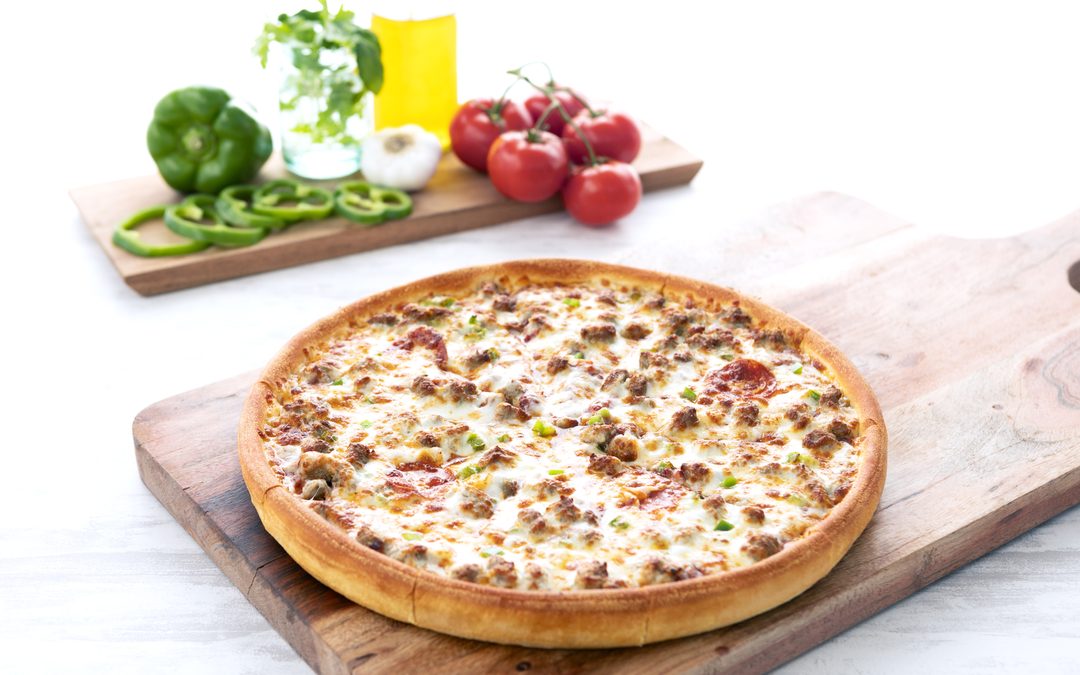
Go thick crust, load it with meat, and add extra cheese. At Godfather’s, the Classic Combo stacks seven toppings on a single pie, which is the exact kind of heavy, loaded order a cold night calls for. If you want heat on top of all that density, the Hot Stuff adds spice to the base. Thin crust with one topping is a warm-weather order. When the temperature drops, go heavy.
Thick crust keeps its heat longer after you open the box. That matters when you are on the couch working through slices at your own pace instead of racing to finish before everything goes cold. The third slice still hits warm. The cheese still pulls. Stacked meat toppings deliver the fat and protein your body has been chasing all day, and they hold up better as leftovers the next morning. Cold pizza from a loaded order tastes completely different from cold pizza off a plain cheese. The toppings settle into the crust overnight and the flavor concentrates.
With 13 specialty pizzas and 4 crusts on the menu, you can build the exact cold-night order your appetite is asking for. Start with thick crust as the foundation. Stack it with extra cheese and a meat-heavy specialty. Call about 25 minutes before you want to eat and pick it up hot off the rack. If leaving the house feels like the wrong call on a freezing San Antonio night, have it delivered and stay under the blanket. Cold air outside, hot box on the coffee table. That is the whole formula.
Why Cold Weather Is Peak Pizza Season
Cold weather is peak pizza season because every factor that drives a food craving fires at the same time. The calorie demand, the carb-and-fat signal, the memory trigger, and the way cold air amplifies hot food all stack on top of each other between November and February. No other meal catches all of those currents the way pizza does.
San Antonio doesn’t get hard winters, but it doesn’t take much to flip the switch. The grill goes unused, driving across town feels like a chore, and everyone drifts to the couch earlier than usual. Pizza wins that moment because it removes every friction point between craving and eating. It arrives hot, feeds the whole family without plates or prep, and the box sits on the coffee table in front of whatever you’re streaming. Cleanup means closing the lid. No other dinner option works that effortlessly when nobody wants to move.
Winter also compresses the decision window. Sunsets come early, and once it’s dark people commit to staying in. The heaviest order volume at Godfather’s lands on cold evenings around dinnertime, right when families finish the last errand of the day and realize that nobody in the house has a dinner plan ready. A thick-crust pie with extra cheese and a side of Cheesesticks handles the whole table in one call. Cold weather doesn’t just create the craving. It clears the schedule, shuts down the alternatives, and puts you on the couch where ordering is the shortest path to dinner.
Frequently Asked Questions
Why does cold pizza taste better?
When pizza cools down, the fat in the cheese solidifies and the flavors in the sauce concentrate. Think of it like marinating. The tomato sauce has more time to soak into the dough, and the toppings meld together overnight. Your taste buds also pick up different flavor notes at lower temperatures. That’s why a cold slice from the fridge can hit different than a fresh one out of the box. Nothing weird about it. Just chemistry doing its thing.
Why do I crave pizza more when the weather turns cold?
Your body burns more energy keeping warm in cold weather, and it signals your brain to seek out calorie-dense, carb-heavy foods. Pizza checks every box. Warm dough, melted cheese, savory toppings. It’s the kind of food that makes you feel full and satisfied when the temperature drops. There’s also a comfort factor. Cold weather pushes people indoors, and ordering pizza is one of the easiest ways to feed everyone without leaving the couch. The craving is real, and it’s not just in your head.
Is cold pizza healthier than hot pizza?
The ingredients are the same whether your pizza is hot or cold, so the nutritional content doesn’t change based on temperature. Cold pizza won’t magically become a health food. One small difference is that cooled starches in the crust form resistant starch, which your body digests more slowly. That can help you feel full a little longer. But we’re still talking about pizza here. Eat it because it tastes good, not because the fridge made it a superfood.
Is cold pizza safe to eat out of the fridge?
Yes, cold pizza from the fridge is safe as long as you refrigerated it soon after it was cooked. The key is getting leftovers into the fridge quickly rather than leaving them out on the counter for hours. Bacteria multiply fast at room temperature, and reheating later won’t undo the damage. If your pizza went straight from the box to the fridge after dinner, it’ll keep for a few days. Use your nose and eyes before eating. If the cheese looks slimy or it smells off, toss it.
Why do so many people prefer cold leftover pizza?
Part of it is convenience. You open the fridge, grab a slice, and you’re eating in seconds. No microwave, no oven, no waiting. But there’s also a real flavor argument. Cold pizza has a firmer texture, and the cheese acts more like a solid topping than a melted blanket. The crust gets chewier. People all over the internet swear cold pizza is the best breakfast food ever invented, and honestly, it makes sense. It’s fast, it’s filling, and the flavors have had all night to settle in.