
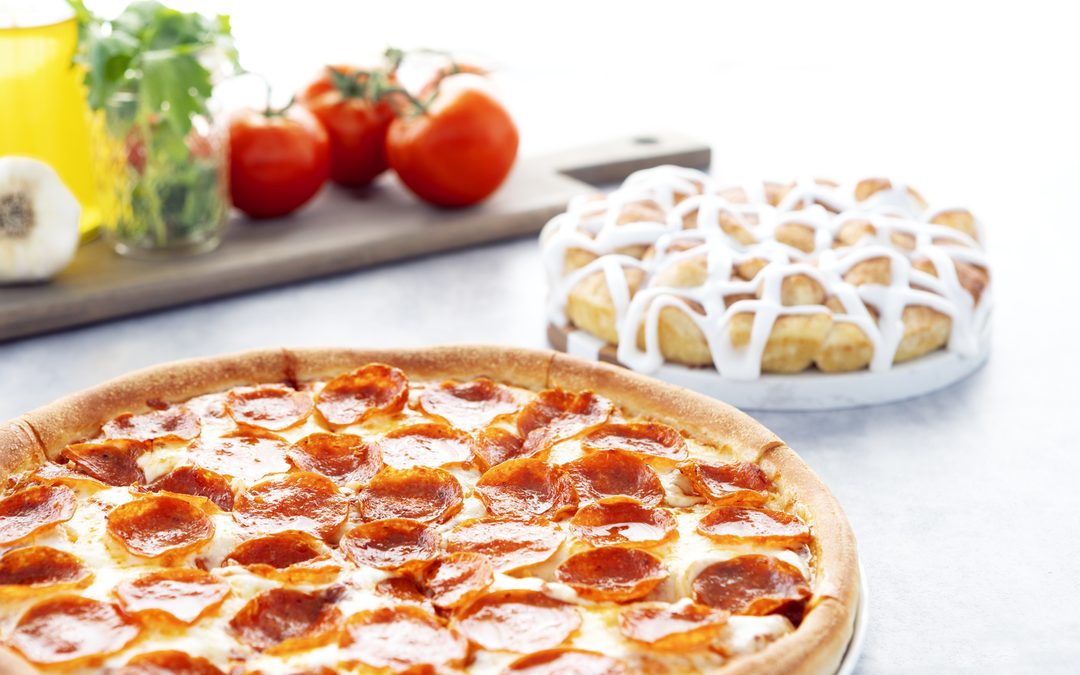
The brand’s comeback blends vintage appeal with modern operations, beginning with a new restaurant on the city’s west side. Longtime residents remember the 1980s footprint; newcomers are ready to try the pies they’ve heard about. This overview covers the return story, location details, what to expect in-store, and how potential expansion could reshape the local pizza conversation.
Quick Facts
- Return after a 35-year absence; prior local presence peaked at roughly twenty units in the 1980s before the market shifted and locations closed.
- First new restaurant opened June 23, 2025, at 8530 SH 151 Access Rd., west San Antonio, positioned for easy access off major routes.
- A locally operated franchise team led the comeback effort, pointing to sustained customer requests, name recognition, and demand for hearty, thick-crust comfort pizza.
- Open seven days weekly with dine-in, carryout, and delivery designed to fit varied household schedules and last-minute weeknight plans.
- Additional locations are being considered, with growth tied to performance, staffing stability, site availability, and neighborhood interest across targeted submarkets.
Mini-FAQ
Why is Godfather’s Pizza returning now?
San Antonio demand never fully faded; it just needed the right conditions to reopen—an accessible site, solid staffing plans, and a local operator prepared for modern ordering and delivery expectations. Nostalgia helps with awareness, but repeat visits will come from consistent bakes, clear pickup timing, and a menu that feels familiar without being stuck in the past.
Where is the first new location and what are the basics?
The first restaurant sits at 8530 SH 151 Access Rd. Doors opened June 23, 2025. It’s open daily with dine-in, carryout, and delivery. Expect thick-crust comfort, straightforward specialty options, and operations designed to keep ordering and handoff predictable during peak dinner hours.
Will more locations open across San Antonio?
Expansion is possible, but it won’t happen just because opening week is busy. Future sites will depend on repeat demand, steady staffing, and whether additional neighborhoods can support the same consistency and service options. Watch for updates that follow practical realities: real estate, delivery coverage, and the ability to train reliably at scale.
Key Takeaways
Godfather’s Pizza is back in San Antonio with one west-side location built for dine-in, carryout, and delivery. The bigger question is whether nostalgia turns into repeat orders after buzz fades. Use these takeaways to set expectations, order smarter on your first visit, and understand what will likely influence expansion decisions across the metro.
- The comeback will succeed only if day-to-day execution holds up—accurate orders, consistent bakes, and realistic pickup times matter more than name recognition alone.
- The west-side location is a strategic test case because traffic patterns and family neighborhoods can support both carryout volume and a delivery radius that stays practical.
- Ordering is easiest when you start with a familiar specialty pizza and one shareable side, then branch into spicier or themed pies after you learn the baseline flavor.
- Expansion will likely be measured, because new stores require repeatable training, stable staffing, and sites with easy access and parking—otherwise quality drops fast.
- Plan your visit around peak windows: shifting dinner by 15 minutes can reduce lines, improve parking flow, and keep the pizza hotter by the time you eat.
- Pick crust and toppings based on how you’ll serve the meal—thicker crust for travel and leftovers, thinner crust for quicker eating and maximum topping focus.
- Evaluate consistency by repeating an order within a few weeks, because a second experience is a better predictor of long-term quality than grand-opening excitement.
What’s returning—and why now?
Godfather’s Pizza is reentering San Antonio after decades away, starting with a west-side store. The timing reflects nostalgia plus a modern operating model. That model supports dine-in, carryout, and delivery without relying on outdated workflows. For locals, it’s a familiar thick-crust style; for newcomers, it’s a legacy pizza brand reintroduced with today’s convenience expectations and clearer ordering routines.
- Nostalgia drives first visits, but repeat business depends on basics: accurate toppings, even bakes, and quoted times that match reality during the busiest dinner rush.
- Opening on the west side is practical because the corridor can generate steady commuter and weekend traffic, while nearby neighborhoods support consistent family carryout demand.
- Comfort-forward pizza competes well when value is clear, meaning bundles and portion sizes feel predictable instead of forcing customers into constant coupon hunting.
- Start with one classic specialty pizza to learn the sauce and bake profile, then explore themed or spicy options on later visits for a fair comparison.
- Use carryout timing as your quality lever by arriving close to the quoted minute, so the pizza doesn’t steam in the box while you wait.
- Share specific feedback if something is off—underbake, missing items, or imbalance—because early weeks are when stores fine-tune staffing and prep rhythm.
Where is the first restaurant—and what should guests expect?
The first location opened June 23, 2025, at 8530 SH 151 Access Rd. It operates seven days a week. You can dine in, order carryout, or use delivery depending on your schedule. Expect a family-friendly setup focused on predictable handoffs, portion-forward pizzas, and straightforward menu navigation. This section explains how to plan around peak traffic periods so your first visit feels smooth.
- The SH 151 access-road placement prioritizes visibility and easy in-and-out trips, which matters when families are picking dinner between errands, practices, and commutes.
- Multiple service modes reduce friction: dine-in for groups, carryout for quick weeknights, and delivery for nights when leaving the house is not realistic.
- During opening-season demand spikes, the experience is shaped by logistics—parking, lobby flow, and pickup organization—so planning around peak hours is genuinely useful.
- If you want the calmest first experience, visit slightly before or after the dinner rush, because staff can answer questions and tickets move faster.
- For carryout, order before leaving home and arrive close to the quoted time, since pizza holds best when it goes straight from oven to car.
- For delivery, confirm address details and consider sturdier crust styles, because thicker slices usually stay stable and satisfying after travel time.
Who is operating the comeback—and why does that matter?
A local franchise ownership team is operating the reopening, and local execution will determine the brand’s reputation. Store operations matter more than marketing. Staffing, training, and prep routines decide whether pizzas are consistent across busy nights. The “brand” is what you experience at the counter and in the box, so reliable local management is what turns a one-time nostalgic order into a repeat habit.
- Stable leadership usually improves accuracy and speed because managers train the same procedures repeatedly instead of improvising during every rush and shift change.
- Clear standards protect product consistency: dough handling, bake times, and topping weights keep pizzas tasting similar on weekday carryout and weekend dine-in visits.
- Local decision-making can adapt to neighborhood patterns—school-night peaks, sports weekends, delivery density—so staffing and prep match real demand, not guesswork.
- On your first order, choose a straightforward specialty pizza, because simpler tickets reduce mistakes while teams settle into routines during reopening months.
- If something is wrong, report it clearly—missing item, underbake, wrong topping—so the store can fix training gaps instead of guessing what happened.
- Judge consistency by repeating an order later; one great or bad visit can happen anywhere, but patterns reveal whether operations are truly stable.
How will the menu balance nostalgia with today’s tastes?
Expect classic, comfort-forward pizzas supported by bundles and flexible ordering for modern households. Thick crust, hearty toppings, and shareable sizes remain central. The modern part is how choices are presented—clear value tiers, simple customization, and sides that don’t slow the kitchen. The goal is familiar flavor without complicated ordering, so families can get in and out quickly while still feeling like they’re getting a full meal.
- Classic combinations reduce decision fatigue for customers and speed up kitchen execution, because fewer custom changes means faster ticket times during dinner rush.
- Modern ordering favors clarity: limited crust styles, predictable sizes, and a manageable list of add-ons prevents “build-your-own” chaos that can slow production.
- Bundles and sides matter because they stabilize value perception, letting households estimate per-person cost quickly rather than feeling surprised at checkout.
- Begin with a familiar specialty pizza to set a baseline, then customize later once you know how the sauce, cheese, and crust texture land for you.
- Choose crust based on your plan: thicker crust for leftovers and travel, thinner crust for crunch and topping-forward bites eaten immediately.
- Add one side that balances the meal—wings for protein, cheesesticks for shareable comfort, wedges for crunch—without turning one order into five separate tickets.
How does the comeback stack up against today’s pizza scene?
It competes as a hearty, thick-crust comfort option in a market full of thinner and fast-casual styles. The differentiator is heft and familiarity. That’s not automatically “better,” but it’s distinct—and being distinct is the only way to win attention in a crowded pizza city. Use the comparison below to decide whether you want crisp artisan texture tonight or filling, shareable slices designed for group meals.
| Feature | Godfather’s Pizza (Return) | Typical Modern Chains |
|---|---|---|
| Core Identity | Comfort-forward, thick-crust style with familiar specialty combos and filling slices | Mixed: thinner crust emphasis, fast-casual builds, or heavily coupon-driven value positioning |
| Order Modes | Dine-in, carryout, and delivery designed for weeknights and group meals | Often carryout/delivery first; dine-in quality and seating varies widely by concept |
| Texture & Heft | Thicker, more filling slices that handle heavier topping loads without folding | Often lighter slices; may prioritize speed, customization, or crispness over heft |
- If you want filling slices per person, thicker crust styles can feel more satisfying for teens and groups, especially when you’d rather order fewer pies.
- If you prefer predictable flavor over rotating gimmicks, classic combos and standardized builds can be a better fit than concepts that change menus frequently.
- If crisp artisan texture is your priority, you may choose other styles; this lane is comfort and portion, not minimalist toppings on a crackly base.
- Decide what you’re optimizing for—heft, crispness, spice, value—because different pizza concepts are designed to win on different nights and occasions.
- Try a baseline classic pizza first, then move to themed or spicy pies later, because you’ll judge “special” items more fairly after learning the core profile.
- Compare leftovers after reheating; comfort-style thick crust often shines on day two when warmed correctly, which matters for budget-minded family ordering.
What does expansion look like—near and long term?
Expansion is possible, but it will likely follow repeat demand, staffing stability, and sites that work for carryout and delivery. Growth has to be operationally repeatable. New locations require training systems, predictable inventory, and a hiring pipeline that can cover ovens, prep, and front counter at rush. If the first store runs smoothly at steady volume, it becomes a blueprint for where to open next.
- Repeatable operations matter because training and prep routines must translate cleanly into a second store, or quality drops as soon as sales grow.
- Site selection is about real-world convenience: parking, visibility, and an efficient delivery radius often matter more than a trendy intersection with high rent.
- Hiring pipelines can limit growth; pizza kitchens need trained roles for dough, ovens, cutting, and front counter, and those roles take time to stabilize.
- Watch where orders originate—pickup traffic and delivery zip codes—because those patterns often reveal the next neighborhood that can support another store.
- Expect a measured pace; it’s better to open fewer locations that run well than many locations that disappoint first-time guests and weaken momentum.
- Look for standardized service patterns—similar hours, similar pickup flow—because consistency across stores is what turns expansion into convenience for customers.
How can guests plan a smooth first visit?
Go off-peak, keep your first order simple, and time carryout pickup close to the quoted minute. Those three moves reduce almost every common reopening frustration. Opening seasons create predictable spikes, and no restaurant is immune. A small planning adjustment improves quality and reduces waiting. Use the tips below if you’re bringing kids, ordering for a group, or simply don’t want surprises on a busy weeknight.
- Shift your visit slightly earlier or later than the dinner rush; a small timing change can reduce lines, ease parking, and keep the staff from rushing your order.
- Choose one familiar specialty pizza plus one shareable side, because that combination usually moves through the kitchen efficiently while still giving your table variety.
- Plan the drive home: arriving too early can mean waiting while the pizza steams in the box, which softens crust texture before you ever take a bite.
- Decide your order before you arrive by checking boards or online listings, because quick decisions keep lines moving and help kitchens hit promised times.
- For carryout, arrive near the quoted pickup minute and head home promptly, since pizzas taste best when they move from oven to table with minimal delay.
- For dine-in, order together on one ticket; consolidated orders reduce confusion, speed fulfillment, and help the kitchen maintain an even bake sequence.
What does the community response mean for the brand?
Early excitement is real, but long-term success depends on everyday reliability and repeat visits. Nostalgia might drive the first order; consistency drives the fifth. In a city with endless pizza options, restaurants win by becoming a routine—Friday nights, post-game meals, or quick weeknight dinners. The signals below help you separate temporary opening buzz from a comeback that’s actually sticking.
- The key metric is repeat behavior: customers returning within two to four weeks because taste, timing, and portion value felt reliable, not just “new.”
- Word-of-mouth spreads through schools and workplaces, so one smooth pickup experience can create multiple new customers without heavy advertising or constant discounting.
- Staff stability is a hidden advantage; consistent teams generally deliver faster service and better accuracy than constantly rotating crews learning the menu from scratch.
- If your first visit is solid, repeat with a similar order soon, because consistency across visits is the strongest indicator of whether the operation is stabilized.
- Share constructive feedback with specifics on bake, missing items, or timing, since clear information helps the store fix issues faster than vague complaints.
- Support weekday business occasionally; steady non-weekend demand helps staffing stability, which directly improves quality and service during the next rush.
Timeline: past presence, long gap, and the 2025 comeback
The brand went from 1980s local prominence to a long absence, then returned in 2025 with a flagship reopening. That arc explains the nostalgia. It also explains the pressure: expectations are high from day one. The timeline below frames the return as a practical relaunch, not just a sentimental moment. It also highlights why the first store’s performance will shape what happens next.
- 1980s: The brand develops a recognizable footprint around the metro, serving families and groups until competition and market changes reduce local coverage by decade’s end.
- 1990s–2024: A long gap lets new pizza concepts dominate, while older residents keep the memory alive through word-of-mouth about thick-crust comfort and portion value.
- 2025: A new west-side location opens June 23 with dine-in, carryout, and delivery systems designed to meet modern expectations for speed and order accuracy.
- Use the timeline to set expectations: reopening stores often refine speed and staffing over months, so early experiences can improve as routines stabilize.
- Try a baseline classic order first, then return for variety; repeat visits reveal whether the relaunch can deliver consistent pizza quality beyond opening buzz.
- Watch for clear communication on hours, delivery zones, and specials, because transparent details usually show an operation moving toward steady-state execution.
The Bottom Line
Godfather’s Pizza is back on San Antonio’s west side, and it will win or lose on consistency. The address and date are clear. Your best outcome depends on planning: order smart, visit off-peak, and choose a crust style that matches how you like your pizza. Use the checklist below to make your first visit easier and decide whether it earns a spot in your rotation.
- If you want filling slices that travel and reheat well, choose thicker crust styles and classic specialty pizzas that stay satisfying even after a drive home.
- If you’re visiting at peak times, simplify your order and rely on bundles, since fewer custom changes usually means fewer delays and fewer mistakes.
- If you’re unsure about spice tolerance, pair a spicy pie with a classic option and a shareable side, so everyone can balance heat without skipping dinner.
- Pick a time slightly outside the dinner rush, because shorter waits and calmer staff interactions usually lead to a better first impression and fewer ordering errors.
- Start with one classic pizza, then explore themed options later, since you’ll judge variety items better after learning the baseline sauce and bake profile.
- Evaluate consistency by repeating an order, because the second and third experiences—not the first—determine whether a restaurant becomes a habit.
Frequently Asked Questions
Most questions are about timing, service modes, and how to order for the best first impression. Menus and routines can evolve during a relaunch. The smartest approach is combining posted details with practical ordering habits. Use the bullets and steps below to confirm what matters before you go, then scan the FAQs for quick answers about crowds, ordering, and what expansion might realistically look like.
- Expect heavier traffic on weekends and early evenings, so planning around peak windows can prevent long waits and improve pizza quality at the table.
- Delivery zones and hours can vary by store and can change as operations settle, so checking official ordering channels is safer than relying on social posts.
- Expansion talk is common, but real growth usually follows repeat demand and stable staffing, not just opening-week excitement and curiosity-driven visits.
- Confirm hours and service modes before you go, because early-stage restaurants sometimes adjust schedules as they learn real demand patterns and staffing needs.
- Decide whether you’re optimizing for speed or dining comfort, then choose carryout or dine-in accordingly, since peak-time dine-in can feel slower than expected.
- For group meals, build around one crowd-pleaser pizza, one bold option, and one side, because that structure covers preferences without turning ordering into chaos.
Why did Godfather’s Pizza leave San Antonio for so long?
Competitive pressure and changing market dynamics reduced the earlier footprint by the late 1980s. The current return reflects a different strategy: one carefully placed store, modern service modes, and a focus on steady execution before expanding further.
What are the hours and service options at the first location?
The restaurant operates seven days a week with dine-in seating, carryout, and delivery. Hours and delivery zones can vary, so checking the store’s official ordering page or calling ahead is the safest way to confirm details.
What should first-time visitors order?
Start with a classic specialty pizza on your preferred crust, plus one shareable side. This keeps the first order simple, helps you evaluate baseline quality, and gives your group enough variety without over-ordering.
Will there be more locations, and where might they go?
More locations are possible, but expansion typically follows performance, staffing strength, and site availability. Neighborhoods with strong family density, easy access, and dependable weeknight demand are common candidates.
How crowded will it be during the first months?
Expect heavier traffic on weekends and early evenings. For a smoother experience, try off-peak windows, order carryout, and arrive near the quoted pickup time to keep waits and pizza steam to a minimum.
Are there gluten-free or alternative options?
Offerings vary by location and may evolve over time. If gluten sensitivity or allergies are a concern, contact the store directly to discuss ingredient handling and cross-contact risk before ordering.


