
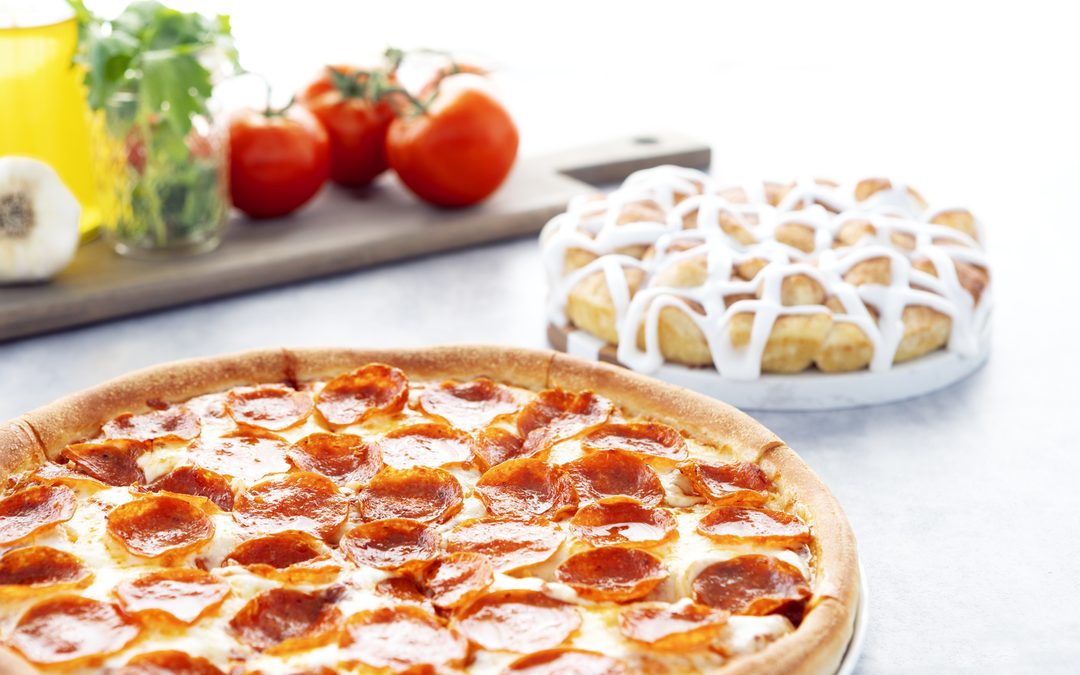
Cold pizza tastes good because the fat solidifies overnight and locks in flavor while the cheese firms up into a denser, chewier bite. Three things work together: the sauce melds with the crust, the toppings concentrate, and cold fat carries flavor compounds your taste buds read differently at lower temperatures. The catch is that quality matters even more when you eat it cold, because a bad slice has nothing to hide behind once the heat is gone.
How Cold Pizza Hacks the Brain
Cold pizza tastes better than it has any right to. Cooling changes the chemistry of every layer. When cheese firms up in the fridge, fat molecules trap flavor compounds that were evaporating as steam when the pie was fresh. The sauce concentrates as it loses moisture, so tomato flavor registers sharper on your tongue. Your brain reads that stable, concentrated profile as more satisfying than the hot version.
Eat it straight from the fridge, not room temperature. When cold pizza sits on the counter for an hour, cheese hits that awkward zone between melted and firm, and the crust gets leathery. Go full cold or commit to reheating. If you’re ordering from Godfather’s tonight with tomorrow morning in mind, grab a topping-heavy option like the Classic Combo. More toppings mean more trapped flavor overnight, and our hand-stretched dough holds its chew instead of turning to cardboard by morning.
Texture is the other half. Hot pizza is soft and pliable. Cold pizza has a chewier bite that forces you to slow down, and that slower chewing keeps flavor on your palate longer, so you taste each topping on its own instead of getting one big melted blob. The crust firms into something closer to a good breadstick, and toppings that were sliding around in grease now sit in place. Quality ingredients matter more when you eat cold. A Godfather’s slice with real mozzarella and fresh-cut vegetables holds up overnight. A mass-produced slice turns into a greasy shingle.
Cold Toppings Bring Everything Together
Cooling stabilizes every layer on a pizza slice, which is why cold toppings deliver a more unified bite than hot ones. Sauce thickens and grips the crust. Pepperoni firms into richer, saltier rounds. Vegetables hold their crunch. A fresh slice is a balancing act, but a cold slice locks everything into place.
- Sauce firms up and gets bolder: Hot tomato sauce is loose and watery, which is why it drips down your hand on a fresh slice. After a night in the fridge, that same sauce thickens into a concentrated layer. The acidity sharpens, the sweetness deepens, and it clings to the cheese instead of pooling at the tip.
- Meat toppings lock in flavor: Cured meats like pepperoni taste stronger cold because the fat solidifies around the spices, and at Godfather’s we load pies like the Hot Stuff with real Italian sausage that only gets more concentrated and flavorful after sitting in the fridge overnight. You taste garlic and fennel more clearly at fridge temperature.
- Vegetables keep their crunch: Fresh peppers, onions, and mushrooms on a hot pizza steam and soften within minutes. On a cold slice, those same vegetables firm back up and hold a slight snap. That textural contrast between chewy cheese and crisp vegetables is why cold pizza with loaded toppings outperforms a plain cheese slice straight from the fridge.
- Crust becomes the anchor: A cooled crust absorbs just enough moisture from the sauce to soften slightly without getting soggy, and it firms up to act more like flatbread than raw dough. You can eat a loaded cold slice one-handed without anything falling apart, which is why cold Godfather’s pizza works for breakfast, lunch at your desk, or midnight snacking straight from the box.
Why Cold Pizza Tastes So Nice
Cold pizza hits harder because lower temperatures change how your taste buds register flavor. Your tongue detects sweetness and umami more clearly below body temperature, which is why leftover sauce tastes richer from the fridge than from the box. Glutamate in the tomato sauce concentrates overnight as moisture evaporates. The crust firms up too. Starches retrograde as they cool, replacing floppy droop with a satisfying chew.
| Flavor Factor | What Happens Overnight | Result |
|---|---|---|
| Umami concentration | Glutamate levels rise as moisture leaves the sauce | Stronger savory punch per bite |
| Sweetness detection | Taste buds register sweet compounds more at cool temps | Tomato sauce reads richer and fuller |
| Starch retrogradation | Crust starches crystallize and tighten as they cool | Firm, chewy texture replaces soft, floppy base |
| Salt perception | Sodium no longer masked by steam and heat | Seasoning comes through cleaner and sharper |
| Herb absorption | Oregano, basil, and garlic oils soak into dough overnight | More even seasoning across every bite |
A Godfather’s slice is built for the next morning, because the dough is made fresh and the sauce is made from scratch with enough garlic, basil, oregano, and red pepper that overnight absorption actually works in your favor instead of making everything taste like wet cardboard. Order a large tonight and set aside two slices before anyone touches the box. Eat them cold. Skip the microwave.
Why Does Cold Pizza Hit Different?
Cold pizza hits different because you’re eating a fundamentally different product, not the same slice at a lower temperature. The crust transforms overnight. Starch molecules in the dough retrograde as they cool, creating a chewier, denser base that grips toppings instead of letting them slide. That shift turns each cold bite into something closer to seasoned flatbread than reheated delivery.
The biggest misconception about cold pizza is that it’s settling. People assume they’re eating a lesser version because they skipped reheating. The opposite is true. Heat masks weak ingredients and hides shortcuts in the kitchen. A cheap frozen pizza can taste passable straight from the oven because warmth carries flavor on its own. Pull that same slice from the fridge eight hours later and every shortcut shows. Thin sauce vanishes. Rubbery cheese fights back. Cold pizza is the most honest test of whether your pizza was good in the first place.
That’s why the pizza you order matters more than how you store it. Start with real mozzarella, sauce made from actual tomatoes, and dough that had time to proof. Eat half hot. Put the rest in the fridge and just set the box on the shelf. The next morning, that cold slice earns its reputation all over again. The pizzas that turn into cardboard overnight were never worth ordering. A slice that holds up cold was built right from the start.
Why Do Americans Like Cold Pizza?
Americans like cold pizza because it doubles as the fastest breakfast in the country. No reheating, no dishes, no effort. A slice straight from the fridge hits your hand in ten seconds flat. That convenience, combined with the overnight flavor changes covered above, turned leftover pizza into a genuine American food tradition.
- Breakfast shortcut: Cold pizza beats cereal for protein and beats a drive-through for speed. No bowl, no spoon, no wrapper. You eat it standing at the counter before your coffee finishes brewing, and you still walk out with a full meal in your stomach.
- Grab-and-go lifestyle: Americans eat on the move more than almost any other country. Cold pizza travels in a backpack, sits on a desk through a 3-hour meeting, and never needs utensils. It fits the way this country actually eats, which is rarely sitting down at a table.
- Nostalgia runs deep: College dorms, Little League mornings, Saturday cartoons with the box on the floor. Most Americans tie cold pizza to a specific phase of life, and that memory keeps the habit alive decades after the original moment passed.
- Intentional leftovers: Ordering a large Godfather’s pizza when you know you will not finish it is half the strategy. The extra slices are not waste. They are tomorrow’s breakfast, already paid for, already cold, and for a lot of people, better than what came out of the oven the night before.
Eating Cold Pizza Is Usually Fine
Cold pizza straight from the fridge is perfectly safe to eat as long as it was stored properly. The general rule is simple: refrigerate leftover pizza within 2 hours of cooking, and eat it within 3 to 4 days. Pizza left on the counter overnight crosses into risky territory. If you ordered from Godfather’s last night and put the box in the fridge before bed, you’re good.
| Storage Scenario | Safe to Eat | What to Watch |
|---|---|---|
| Refrigerated within 2 hours of cooking | Up to 4 days | Best window for eating cold |
| Refrigerated after sitting out 2-4 hours | 1-2 days | Eat sooner, check smell and texture first |
| Left on the counter overnight | Toss it | Bacteria multiply fast between 40°F and 140°F |
| Frozen after refrigerating | Up to 2 months | Texture changes, better reheated than eaten cold |
| Packed in a bag with no ice | Under 2 hours | Fine for a quick lunch, not for saving |
A Godfather’s slice with thick crust and loaded toppings holds up better cold than most thin-crust options because the denser base keeps moisture from turning everything soggy. Grab a slice for breakfast, take one in a bag for lunch, or just stand at the fridge at midnight. Cold pizza works on your schedule.
Frequently Asked Questions
Is cold pizza safe to eat?
Cold pizza is safe as long as it was refrigerated within 2 hours of being cooked. The USDA recommends keeping perishable food out of the “danger zone” between 40°F and 140°F. Pizza left on the counter overnight falls into risky territory because bacteria multiply fast at room temperature. If you boxed up your leftovers and got them into the fridge the same night, you’re good for 3 to 4 days. After that, toss it. When in doubt, smell it and check the cheese for any off texture.
Why does cold pizza taste so different from hot pizza?
When pizza cools down, the fat in the cheese solidifies and the tomato sauce thickens. That changes how flavor hits your tongue. Hot pizza delivers everything at once in a big burst of grease and steam. Cold pizza lets you taste each layer separately because the ingredients have firmed up and stopped blending into each other. The dough absorbs some of the sauce overnight, which concentrates the tomato flavor. Your taste buds also pick up more subtle seasoning at lower temperatures. It’s basically the same pizza telling you a longer story.
Is cold pizza actually good for you?
Cold pizza has the same nutritional profile as the hot version. You’re not adding or removing calories by letting it cool down. The cheese still has protein and calcium, the sauce still has lycopene from the tomatoes, and the crust still has carbs for energy. It’s not a health food, but it’s not worse for you cold. The real health question is always about what’s on the pizza and how much you eat. A slice with vegetables and a reasonable amount of cheese is a perfectly fine meal at any temperature.
Why do so many people prefer eating pizza cold?
A lot of it comes down to texture and convenience. Cold pizza has a chewier bite that some people genuinely prefer over the soft, floppy slice you get fresh from the oven. The cheese firms up into something almost snackable. There’s also the nostalgia factor. Grabbing a cold slice out of the fridge at midnight or first thing in the morning feels like a small rebellion, and that association sticks. Quality ingredients matter here too. A pizza made with real cheese and fresh dough holds up cold. A pizza made with cheap shortcuts turns into cardboard.
What makes cold pizza work as a breakfast?
Cold pizza checks every breakfast box without any prep time. You get protein from the cheese and any meat toppings, carbs from the crust for morning energy, and fat to keep you full until lunch. Compare that to a bowl of sugary cereal and it’s not even close. There’s no cooking, no dishes, no waiting. You open the fridge, grab a slice, and you’re out the door. It pairs well with coffee. People have been eating cold pizza for breakfast for decades, and the only thing stopping anyone is the idea that breakfast has to look a certain way.