
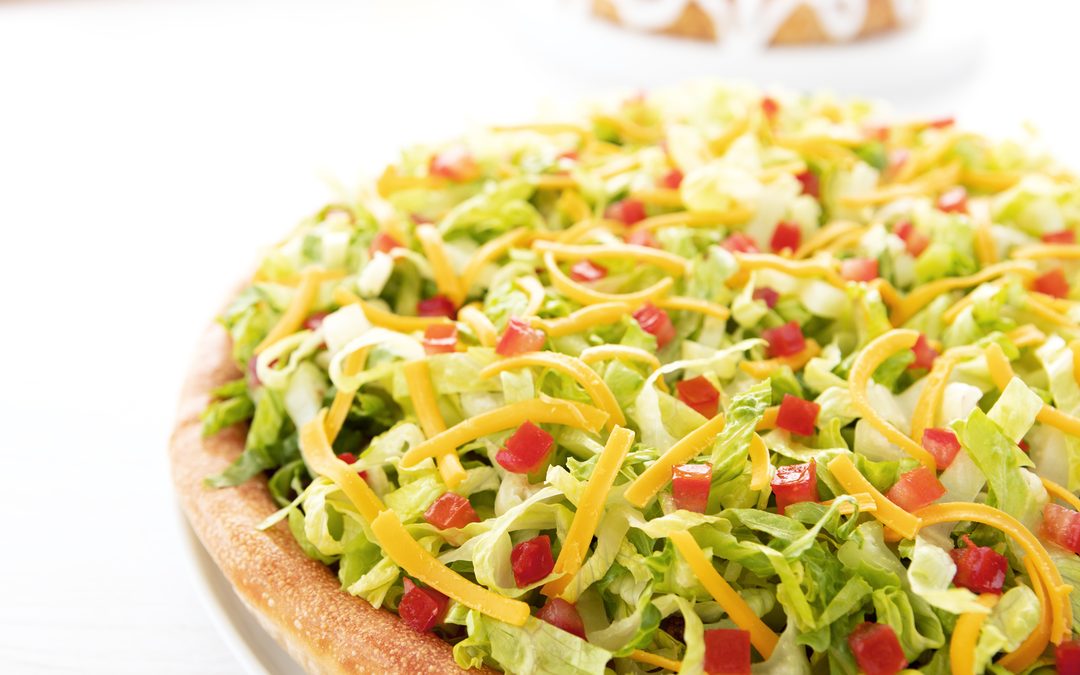
A homemade cheese pizza runs about $2 to $4 in ingredients, while a pizzeria spends $3.50 to $6 on that same pie before labor, rent, and boxes ever get added. Three things drive the gap: ingredient quality, topping count, and whether you buy flour by the bag or by the pallet. Swap grocery-store mozzarella for fresh and that cheap homemade pizza doubles in cost before you even pick a topping.
Ingredients and Material Costs
The raw ingredients for a standard 12-inch homemade pizza run between $2 and $6, depending on toppings. Dough costs almost nothing. Cheese takes the largest share of the ingredient budget, especially if you go with fresh mozzarella instead of a pre-shredded bag. Premium toppings like Italian sausage, prosciutto, or roasted red peppers push the per-pizza cost past $5 quickly. Even a fully loaded pie with five or six toppings stays under $10 in raw materials.
| Ingredient | Cost Per Pizza | What Moves the Price |
|---|---|---|
| Pizza dough | Under $1 | Flour in bulk is cheap, and yeast and salt add pennies |
| Mozzarella cheese | $1 to $3 | Fresh mozzarella vs. store-brand shredded bag |
| Tomato sauce | $0.50 to $1 | Canned crushed tomatoes vs. jarred marinara |
| Pepperoni | $1 to $2 | Thickness and quality of the cure matter |
| Italian sausage | $1 to $2.50 | Bulk tube vs. pre-crumbled packages |
| Fresh vegetables | $0.50 to $1.50 | Seasonal produce runs cheaper |
| Specialty toppings | $2 to $4 | Prosciutto, artichoke hearts, fresh basil |
That range only covers the groceries. Factor in your time shopping, prepping dough, waiting for it to rise, heating the oven, and cleaning everything afterward, and the real cost of a homemade pizza climbs well past the receipt total. A commercial kitchen buys flour and cheese in bulk at lower per-unit costs, runs ovens built for pizza, and puts out a consistent product every single time. At Godfather’s here in San Antonio, we handle all of that. You get a pizza made by people who do this all day, every day.
How Much Does Labor Add to Pizza Costs?
Labor is the single biggest expense in any pizza operation, often running two to three times higher than raw ingredients. At home, your time is free. In a commercial kitchen, every pie carries the cost of trained hands stretching dough, managing oven temps, building each order, and running it to your door. That overhead is baked into every slice.
A single Godfather’s pizza touches at least four crew members before it reaches you. One person stretches the dough, another builds and tops, a third works the ovens, and a driver handles delivery. If you valued your own kitchen time at even minimum wage, the gap between your homemade ingredient cost and what a restaurant charges shrinks faster than most people expect.
Beyond the crew making your pizza, a shop carries overhead most home cooks never consider. Commercial ovens, hood ventilation systems, insurance, health department compliance, packaging, and the building itself all factor into every order. At Godfather’s, we absorb those costs and keep the process tight so your pizza comes out consistent whether you order at noon on a Tuesday or during the Friday night rush.
The Actual Cost to Make a Pizza
When you add up every component, a homemade cheese pizza costs $2 to $4 in materials. Add premium mozzarella and a few toppings and that climbs to the $6 to $8 range. Overhead changes everything. A commercial pizzeria spends $8 to $15 per pie once labor, rent, utilities, insurance, and packaging stack on the ingredient bill. Not better flour. Same ingredients, different cost structure.
| Cost Component | Homemade | Commercial Pizzeria |
|---|---|---|
| Dough | Under $1 | $1 to $2 |
| Cheese and Sauce | $1 to $3 | $1 to $3 |
| Toppings | $0 to $4 | $1 to $4 |
| Labor per Pizza | Free | $3 to $7 |
| Rent and Utilities | None | $2 to $4 |
| Insurance and Licensing | None | Under $1 |
| Packaging | None | Under $1 |
| Total per Pizza | $2 to $8 | $8 to $15 |
That overhead is exactly why ordering from a local pizza shop beats the DIY route for most families. You skip the grocery run, the 24-hour dough rise, the oven calibration, and the cleanup. At Godfather’s, those production costs feed recipes we have tested and adjusted over years of serving San Antonio families from Alamo Ranch and Stone Oak to the Northeast Side and down Military Drive. Order a Meat Combo from our kitchen and you save the entire afternoon.
How Much Money Do Pizza Owners Make?
Pizza shop owners in the U.S. typically take home between $60,000 and $120,000 per year, but that number depends almost entirely on location, daily volume, and how hands-on the owner stays in the operation. Profit margins for a well-run single-location pizza shop usually land between 7% and 15% after every expense is paid.
- Food costs run 28% to 35% of revenue: Every dollar that comes in, roughly a third goes back to flour, cheese, sauce, toppings, and packaging. Owners who negotiate supplier deals and control waste on the line shave real money off this number every single week.
- Labor and overhead eat 50% to 60%: Rent, utilities, insurance, payroll, and equipment upkeep stack fast. In San Antonio, where kitchen staff turnover runs high, labor alone can consume 30% of gross revenue before you count a single other bill.
- Daily volume is the profit multiplier: A shop pushing 200 pizzas a day spreads rent, insurance, and equipment costs across four times as many tickets as a shop doing 50. High-traffic locations near bases, colleges, and busy intersections make that volume realistic without heavy marketing spend.
- Hands-on owners keep more of the margin: Running your own line, managing inventory, and staying in the building daily means fewer management salaries and fewer surprises on the books. That is how single-location operators push past the 15% margin ceiling that most industry averages reflect.
The 55 Rule for Pizza Pricing
The 55 rule is a pricing formula used across the restaurant industry. Your combined food and labor costs should never exceed 55% of total revenue. For a pizza operation, food ingredients typically run 25% to 30% of sales while labor takes another 25% to 30%. Once those two numbers push past 55% together, every pie you sell cuts into rent, utilities, insurance, and the profit margin that keeps the business alive.
Run this check weekly, not monthly. Pull your food invoices and labor hours every Friday, divide the total by that week’s sales, and see where you land. Monthly tracking hides the week cheese prices spiked or the week you overstaffed a slow Tuesday. A spiral notebook on the desk catches drift faster than software nobody opens.
Home cooks can apply the same test. Compare your total grocery bill for pizza night against what a comparable pie from a neighborhood shop would cost, then check whether your ingredient total crosses that 55% threshold. If it does, the savings shrink once you account for time kneading dough, preheating the oven, and cleaning up. Start stacking premium mozzarella, Italian sausage, roasted peppers, and fresh basil on your homemade pie, and the ingredient cost can climb high enough to wipe out whatever savings you thought you were getting by skipping the local shop.
How Much Does It Cost Restaurants to Make a Pizza?
Restaurants typically spend three to five times more than home cooks to produce the same pizza. Ingredients are actually the smallest line item on the books. Rent, utilities, insurance, equipment maintenance, and packaging eat up far more than flour and cheese, and those costs land every month whether a San Antonio shop moves fifty pies or five hundred.
- Rent and utilities: Commercial kitchen space with gas lines, hood ventilation, and grease traps costs more per square foot than standard retail, and running deck ovens at 500 degrees all day pushes the utility bill well past what most people would guess.
- Equipment wear: Commercial ovens, dough mixers, walk-in coolers, and proof boxes all need regular servicing, and replacing a single commercial oven can cost more than an entire year of cheese and sauce purchases for a smaller operation.
- Packaging: Boxes, bags, napkins, sauce cups, aluminum pans, and insulated delivery bags tack a fixed cost onto every single order, and that per-order overhead climbs fast on busy Friday and Saturday nights when volume spikes.
- Insurance and permits: Liability coverage, health department inspections, fire code compliance, and workers’ compensation are fixed monthly bills that every pizza restaurant pays whether it sells ten pies that day or ten thousand across the week.
Frequently Asked Questions
How much does it cost a restaurant to make a single pizza?
Most restaurants spend somewhere between $3 and $7 to produce a standard cheese pizza, depending on ingredient quality, overhead, and portion size. That covers flour, yeast, sauce, cheese, and packaging. Labor, rent, utilities, and equipment push the true per-pizza cost higher, often into the $5 to $10 range when you account for everything. At Godfather’s Pizza San Antonio, we source quality ingredients and make dough fresh, which keeps our food cost reasonable while delivering a pizza that actually tastes like someone cared about it. The gap between ingredient cost and menu price is where a shop pays its people and keeps the lights on.
How much does it cost to make a pizza completely from scratch at home?
A basic homemade cheese pizza runs roughly $2 to $5 in raw ingredients if you are buying standard grocery store brands. Flour, yeast, salt, olive oil, canned tomatoes, and a bag of mozzarella cover the essentials. The catch is that most recipes make enough dough for two or three pizzas, so your per-pizza cost drops with each batch. Add pepperoni or sausage and you are looking at another $1 to $3 per pizza depending on how heavy you go. The real cost most people forget is time. Between dough rising, prep, and cleanup, you are investing an hour or more.
How much does pizza dough alone cost to make?
Pizza dough is the cheapest part of the entire pizza. A batch of homemade dough using flour, water, yeast, salt, and a little olive oil costs well under $2 at grocery store prices, and that batch typically yields two to four dough balls depending on size. The ingredients are shelf-stable pantry staples, so there is very little waste. In a restaurant setting, dough cost per pizza is even lower because shops buy flour in 50-pound bags and yeast in bulk. At Godfather’s, we make our dough fresh daily, which costs a bit more in labor but makes a real difference in the finished crust.
How much do large pizza chains spend to make one pizza?
National pizza chains benefit from massive supply contracts and centralized commissaries, so their raw ingredient cost per pizza can be as low as $1.50 to $3 for a basic cheese pie. They buy cheese by the truckload and sauce in industrial quantities, which drives per-unit cost well below what an independent shop pays. That said, lower ingredient cost often means lower ingredient quality. Pre-shredded cheese with anti-caking agents, frozen dough shipped from a warehouse, and sauce from a bag are standard at that scale. When you order from a local shop like Godfather’s, you are paying for ingredients that were prepped that day, not last month.
How much does it cost to make a large pizza versus a small one?
The size difference adds less cost than most people expect. Going from a 10-inch to a 16-inch pizza roughly doubles the surface area, but the extra dough and sauce only add about $1 to $2 in ingredients. Cheese is where the jump matters most, since a large pizza needs significantly more coverage. Toppings scale proportionally too. In total, a large pizza might cost $2 to $4 more in raw ingredients than a small, but you are getting roughly twice the food. That is why large pizzas are almost always the better value per slice whether you are making them at home or ordering from Godfather’s.