
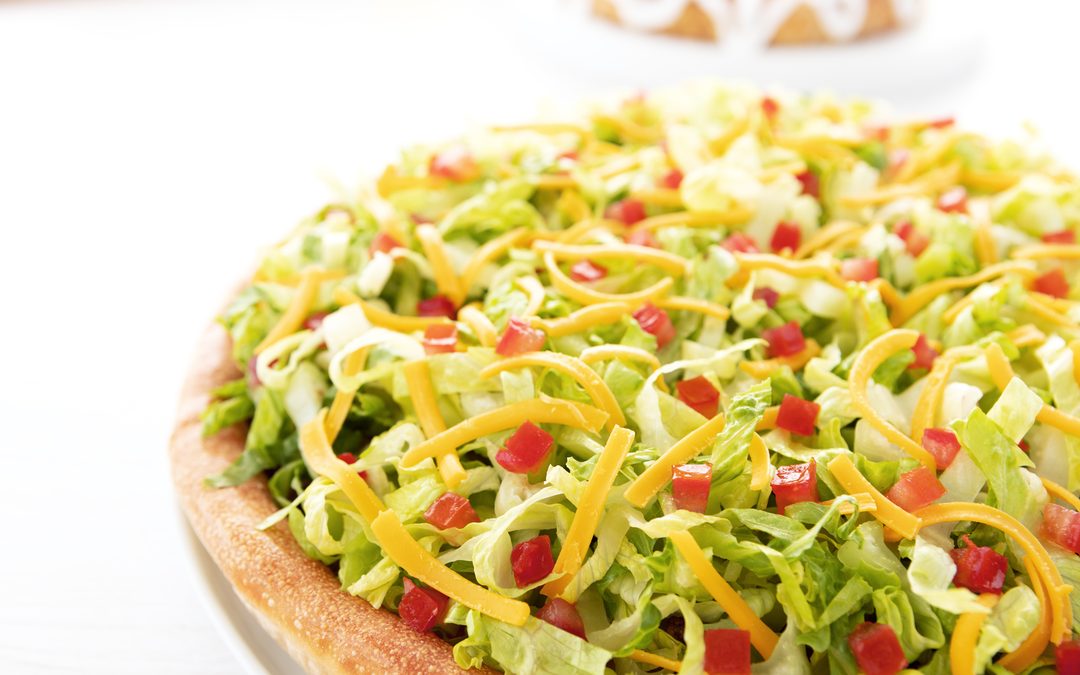
Pizza ranks as the most addictive food in research. A University of Michigan study put it at number one because its fat-carb-salt combination triggers dopamine spikes similar to drug use, and cheese casein breaks down into casomorphins that bind to your brain’s opioid receptors. The pull you feel is real, but food addiction isn’t a formal clinical diagnosis.
The Yale Study That Named Pizza #1
Researchers at the University of Michigan published a study in PLOS ONE that used the Yale Food Addiction Scale to measure which foods trigger addictive-like eating behaviors. Pizza ranked number one. Not chocolate, not ice cream, not chips. The study pointed to a specific reason: pizza’s combination of fat, refined carbohydrates, and salt doesn’t occur together in natural foods.
That unnatural ingredient mix is what makes your brain respond so strongly. When melted cheese, dough, and tomato sauce all hit your system at the same time, they trigger dopamine spikes similar to what researchers have observed with other addictive substances in controlled studies. Cheese takes it further. Casein, the main protein in cheese, breaks down during digestion and releases casomorphins, compounds that bind to opioid receptors in your brain. Your brain gets chemically rewarded for eating pizza, and the signal it sends back is straightforward: keep going, grab another slice.
People in the study reported loss of control around pizza, eating more than they intended even when they were already full. That tracks with what we see at Godfather’s every day in San Antonio. Someone orders a Classic Combo for a weeknight dinner and the whole thing disappears before anyone thinks about leftovers. A customer picks up two larges “for the week” and calls back the next morning because the week ended early. We’re not going to argue with a Yale-scale study. We just make sure the pizza earns that number one ranking.
What Casomorphins Do to Your Brain
Casomorphins are peptide fragments your body produces when it digests casein, the primary protein in cheese. During digestion, casein breaks apart and these fragments bind to opioid receptors in your brain, the same receptors that respond to morphine. That binding triggers a measurable dopamine release, reinforcing the signal that cheese is something your body wants to repeat. Your brain files mozzarella as a reward before you finish the first slice.
The chemistry is straightforward once you strip the jargon. Casein is a slow-digesting protein. As your stomach processes it, casomorphin peptides split off and enter the bloodstream. They dock onto mu-opioid receptors in the brain. The result is a mild sense of comfort. Not a high. Not euphoria. Just enough of a chemical nudge that your body learns to associate cheese with feeling good. Researchers identified this pathway decades ago, and it remains the clearest scientific explanation for why cheese cravings hit harder and persist much longer than cravings for bread, vegetables, or most other whole foods.
Now layer casomorphins on top of everything else pizza already does to your reward system. The fat-carb-salt combination in a loaded slice triggers dopamine spikes through a separate pathway. Add the opioid-receptor activation from melted cheese, and your brain is getting rewarded through two distinct chemical channels at the same time. That double signal is why you reach for a third slice after telling yourself two was the limit. Nobody designed pizza to work this way. The ingredients just happen to push the same neurological buttons, and the casomorphins from the cheese are the part most people never hear about.
The Dopamine Spike From Fat and Carbs
Pizza’s combination of fat, refined carbs, and salt triggers a dopamine spike that activates the same reward pathways as addictive substances. Your brain did not evolve to process all three at once. That exact combination does not exist in natural foods. When melted cheese, white flour crust, and seasoned sauce hit your taste buds together, your brain’s pleasure response fires at a level no single ingredient could produce alone.
Here is how it plays out at the table. You bite into a slice and the refined flour in the crust converts to glucose almost immediately. Blood sugar spikes. Fat from the cheese slows digestion just enough to keep the pleasure signal sustained instead of fading. Salt amplifies every bite. The three work together in a way your brain reads as a survival-grade jackpot, releasing dopamine to reward you for finding it, then pushing you to reach for another slice so the signal fires again and the whole cycle repeats.
People consistently report loss of control around pizza, eating more than they intended even after feeling full. This is not a discipline problem. The fat-carb-salt combination creates a neurochemical loop your conscious mind was never designed to override. Every pizza shop in San Antonio sits on top of this same biology. We figure if your dopamine system is going to drag you back for another slice regardless, the pizza should be worth it. At Godfather’s, hand-tossed crust with real mozzarella and sauce made from scratch gives your brain something honest to lock onto.
Why You Lose Control Around Pizza
Your brain isn’t built to say no to pizza. The combination of fat, refined carbs, and salt in a single slice doesn’t occur together in natural foods. Your body never developed a shutoff signal for that kind of concentrated reward. That missing brake shows up as a consistent pattern in the research: people report eating more pizza than they planned, continuing well past the point of feeling full.
The crust plays a bigger role than it gets credit for. Refined white flour converts to glucose fast in your bloodstream, creating a rapid blood sugar spike that layers on top of the reward signals you already know about from cheese and fat. With three separate pathways firing at once, your brain receives a coordinated “keep eating” signal that never lets up. No single food component would do this alone. It’s the stack that gets you, every ingredient amplifying the next until the box is empty and you’re wondering where it all went.
None of this qualifies as clinical addiction in the strict medical sense. But the pull toward pizza is real and measurable, and pretending it’s just about willpower ignores what’s actually happening in your brain. We see it at Godfather’s every week. A family orders what they think is plenty, the box empties before anyone expected, and twenty minutes later someone’s calling back for a second pie. That’s not a lack of discipline. That’s your reward system doing exactly what it was wired to do.
Is Pizza Addiction Real or Just a Craving?
Pizza addiction is not a formal psychiatric diagnosis. The DSM-5 doesn’t classify any food as clinically addictive the way it classifies alcohol or opioids. But the distinction between “addicted” and “unable to stop eating even when full” is mostly academic when you’re staring at the last two slices, knowing you don’t need them, and reaching for one anyway.
Researchers use the term “addictive-like” deliberately. The behavioral outcomes mirror substance-use patterns without meeting every clinical threshold. You eat more than you planned. You think about it when it’s not around. You choose it over foods you know are better for you. These patterns repeat consistently across study participants regardless of age, background, or how disciplined they consider themselves around food. Call it addiction or call it a craving. Your brain doesn’t care which word you use. It just wants another slice.
We make pizza at Godfather’s in San Antonio. We see the repeat orders every Friday night, the game-day rushes, and the regulars who’ve been calling in the same order for years. The combination of fresh dough, real cheese, and toppings piled on by hand does exactly what the research describes to your reward system. We’re not going to pretend a slice of Hot Stuff is a health food. People keep coming back because the pizza is good, and we’re not apologizing for that.
How to Enjoy Pizza Without the Binge
Knowing what triggers the binge is most of the battle. Your brain responds to pizza’s fat, refined carb, and salt combination by flooding your reward system with dopamine before your stomach catches up. You do not need to quit pizza. You need a few habits that keep the dopamine response from running the show, so three slices feels like a meal instead of a warm-up.
Never show up to pizza night already starving. When blood sugar bottoms out, your brain locks onto the fastest reward it can find, and a loaded slice is exactly that. Eat something with protein an hour before you order. When the pizza arrives, plate two or three slices, close the box, and sit at the table. Put each slice down between bites. Loss of control around pizza happens most often when people eat fast, standing up, straight from the box. Slowing down gives your gut time to send the fullness signal.
Quality changes the equation. Two slices of pizza made with real ingredients, where the crust has actual texture and the cheese pulls apart and the sauce tastes like it came from a kitchen instead of a factory, can satisfy you faster than half a box of mass-produced cardboard. The same reward system that drives the binge responds to quality too. Better input means faster satisfaction, fewer slices, and no regret. Order good pizza and eat it slow.
Resources Used
Frequently Asked Questions
Is pizza actually addictive to eat?
Short answer: yes, and there’s solid science behind it. Pizza ranked as the number one most addictive food in a PLOS ONE study using the Yale Food Addiction Scale. The combination of fat, refined carbs, and salt in pizza causes dopamine spikes similar to what happens during drug use. People regularly report loss of control around pizza, eating more than they intended even when they’re already full. Willpower has nothing to do with it. Your brain’s reward system treats pizza as something worth chasing, and it pushes you to keep eating. Most pizza lovers already knew this. Now the research confirms it.
What does the scientific research say about pizza and addiction?
The most cited study came from the University of Michigan, published in PLOS ONE. Researchers used the Yale Food Addiction Scale to test which foods triggered addictive-like eating behaviors. Pizza came out on top. The key finding was that highly processed foods combining fat and refined carbohydrates are the hardest to stop eating. Pizza’s specific ingredient mix doesn’t occur together in natural foods, which is part of what makes it so effective at triggering your brain’s reward system. Your dopamine response fires, your brain tags the experience as worth repeating, and the craving cycle starts.
Does the cheese on pizza make it more addictive?
Cheese is one of the biggest factors. The casein protein in cheese releases casomorphins during digestion, and those compounds bind to opioid receptors in your brain. That’s the same category of receptor that painkillers target, just at a much lower intensity. When you combine that opioid-receptor activity with the dopamine response from the fat, carbs, and salt in the crust and toppings, your brain gets hit from multiple angles at once. Pizza ranked number one on the Yale Food Addiction Scale for a reason. Cheese doesn’t just add flavor. It adds a neurochemical layer that keeps you reaching for another slice.
Why do so many people online talk about pizza being addictive?
Because it’s a real, shared experience that most people recognize immediately. When someone posts about finishing an entire pizza when they only meant to eat two slices, thousands of people relate. That behavior has a name in research: loss of control. People report eating more pizza than intended even when they’re full. The reason is brain chemistry, not lack of discipline. Pizza’s ingredient combination triggers your reward system in ways that make stopping difficult. Online communities gave people a place to compare notes on something they’d been experiencing alone. The science caught up to what the internet already knew.
Is pizza more addictive in America than in other countries?
The brain chemistry works the same everywhere. But American-style pizza tends to load up on cheese and use thicker, more refined-flour crusts than traditional styles you’d find overseas. More cheese means more casein, which releases casomorphins during digestion that bind to opioid receptors. Thicker crusts mean more refined carbs. And American pizza often has higher salt content. The ingredient combination that makes pizza addictive doesn’t occur together in natural foods, and American versions tend to concentrate those ingredients more heavily. The craving is universal, but a loaded American pie may trigger a stronger response than a thin traditional slice.