
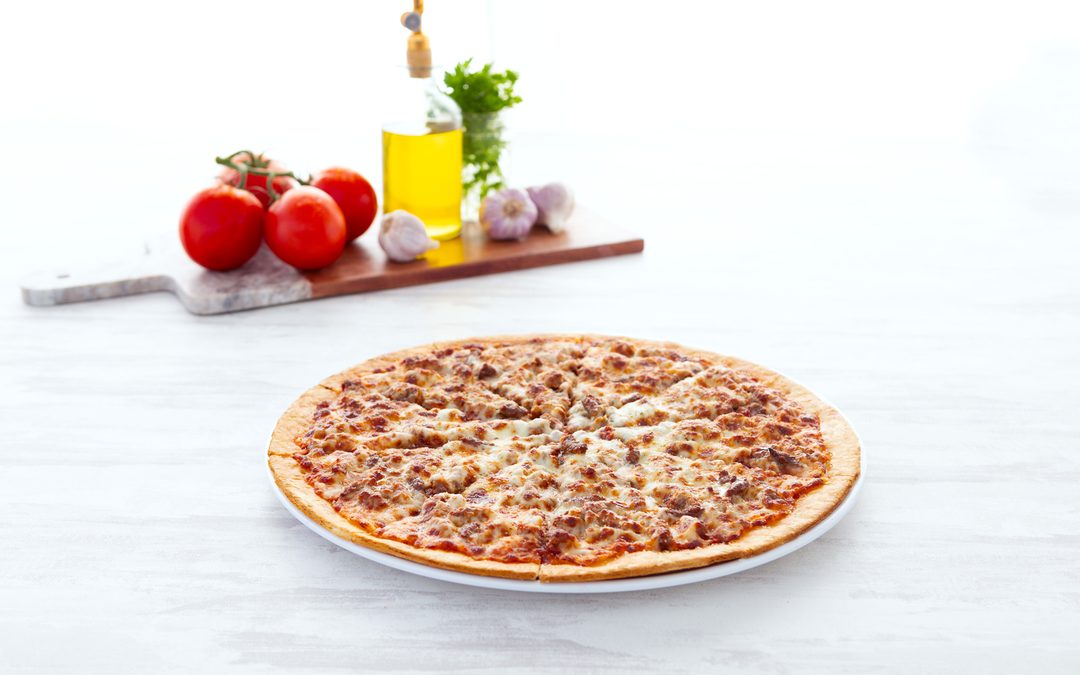
Pizza left out at room temperature becomes unsafe to eat after two hours, no exceptions. Bacteria multiply fast between 40°F and 140°F, and a box of cooked pizza sitting on your counter drops into that danger zone within minutes of leaving the oven. The catch is that the clock starts when the food falls below 140°F, not when you set the box down or finish your last slice.
Pizza Left Out for 2 Hours Can Still Be Unsafe to Eat
The two-hour rule is not the safety cushion most people think. That clock starts the second your pizza leaves the oven, and bacteria in the danger zone between 40°F and 140°F can double every 20 minutes. Speed matters. In San Antonio summers, countertops regularly sit above 90°F without AC running, and the USDA cuts the safe window to just one hour at those temperatures.
Set a phone timer the moment you open your pizza boxes. Below 90°F room temperature, you have the full two hours to eat and get leftovers into the fridge. Above 90°F, and that includes most San Antonio patios from May through October, you get one hour. Do not rely on the smell test. Some bacteria produce heat-stable toxins that reheating in the microwave or oven will not destroy. When the timer goes off, refrigerate immediately.
Contaminated pizza looks, smells, and tastes exactly the same as a fresh slice right out of the box. That is why so many people get caught off guard at watch parties and cookouts when they grab a piece that has been sitting out for three or four hours without a second thought. Symptoms show up hours later. We hear about it every summer here in San Antonio, especially after game days and graduation parties where the boxes sat open all afternoon. Refrigerate leftovers as soon as people finish eating.
How Strict Is the 2 Hour Food Safety Rule?
The rule is absolute. The USDA classifies any perishable food left between 40°F and 140°F for more than two hours as unsafe to eat, full stop. When room temperature climbs to 90°F or higher, that window shrinks to one hour. No reheating trick or visual inspection changes the outcome once the clock runs out.
- Heat accelerates the deadline: San Antonio summers routinely push indoor party temperatures past 90°F, which means your pizza from a birthday party or watch party has one hour, not two, before it needs to hit the fridge or the trash.
- Reheating cannot undo the damage: Microwaving or reheating a slice in the oven to 165°F kills active bacteria, but it does nothing to the heat-stable toxins those bacteria already produced while the pizza sat on the counter. The toxins survive the reheat.
- Your nose will not save you: Harmful bacteria like Staphylococcus aureus produce toxins that do not alter the taste, texture, or smell of your food. A three-hour-old slice can look and smell perfectly normal and still cause food poisoning hours later.
- Brief fridge visits do not reset the timer: Putting leftover pizza in the refrigerator for 15 minutes between servings does not pause the 2-hour count. Thick crust and heavy toppings hold heat, so the interior may never drop below 40°F in that short window.
Understanding the Pizza Food Safety 2 Hour Rule
Knowing the rule matters less than knowing where it breaks down. Your kitchen counter after a Friday delivery, your backyard during a summer cookout, your living room coffee table during a Sunday football marathon: each situation has its own clock, and the conditions change how fast it runs. Not every scenario gives you the full two hours. Some give you half.
| Situation | Time Limit | What to Do |
|---|---|---|
| Fresh pizza on the counter at room temperature | 2 hours from leaving the oven or arriving by delivery | Eat or refrigerate before the clock runs out |
| Pizza at an outdoor event, 90°F or hotter | 1 hour, not 2 | Move remaining slices to air conditioning or throw them out |
| Leftover slices stored in the refrigerator | 3 to 4 days at 40°F or below | Reheat to 165°F before eating |
| Reheated pizza left out on the counter again | 2 hours cumulative, not per round | The clock does not restart after reheating |
| Pizza kept warm on a warming tray or near the oven | Still 2 hours unless held above 140°F the entire time | Use a food thermometer to verify it stays in the safe zone |
| Pizza that sat out over 2 hours then was frozen | Freezing does not reverse bacterial growth | Unsafe regardless of how long it stays in the freezer |
| Cold pizza straight from the fridge the next morning | Safe if refrigerated within the original 2 hour window | Good for up to 4 days, reheating is optional for safety |
That 90°F cutoff catches a lot of San Antonio families off guard. Cookouts, watch parties, and backyard gatherings from May through October regularly push temperatures past that threshold, and the USDA cuts your safe window from two hours to one. That is not much time. When you order Godfather’s for a group, set a phone timer the second the first box opens and start moving leftovers to the fridge before everyone finishes eating.
What Is the Difference Between the 2 Hour and 4 Hour Food Safety Rule?
The 2-hour rule is the home kitchen standard. The 4-hour rule is its commercial counterpart, designed for restaurants and food service operations that track holding temperatures with calibrated equipment. Under the 4-hour guideline, food between 40°F and 140°F can still be served if held under four total hours. Past four hours, no reheating saves it.
The gap between two hours and four hours is not a gray area you get to split the difference on. Restaurants earn that extra window through temperature-controlled holding equipment, documented time logs, and health department oversight. Your kitchen counter at home has none of those safeguards. When someone says pizza is fine after three hours because restaurants keep it out longer, they are comparing a monitored system to an unmonitored one. Stick with two hours at home.
For a Friday pizza night, set a timer on your phone the second the box hits the counter. Any slices you plan to save need to go into the fridge within that two-hour window, because leftovers stored within that timeframe stay good for three to four days and still taste like pizza instead of cardboard. If the movie ran long and the slices sat out past two hours, toss them. Cold storage does not undo bacterial growth.
How Can You Tell When Pizza Has Been Left Out Too Long?
Your nose and eyes catch the problem before a thermometer would. Pizza left out too long develops a faint sour smell under the cheese and sauce aroma, the cheese stiffens from glossy to matte, and the crust either dries out or turns soggy. Those changes line up with bacteria hitting unsafe levels.
- Cheese is the first clue. Fresh pizza cheese stretches when you pull a slice and has a light sheen on the surface. After sitting out past two hours, it hardens into a rubbery layer that cracks when you bend the slice instead of pulling apart. That stiffness means the pizza has been cooling in the danger zone long enough for bacteria to multiply.
- Smell tells you what your eyes miss. Hot pizza fills a room with bread, garlic, and melted cheese. Once the temperature drops into the danger zone, a flat, faintly acidic undertone creeps in underneath those familiar smells. You might not catch it right away, but compare it to a fresh pie straight out of the oven and the difference jumps out. That sourness comes from bacteria.
- Check the bottom of the crust. Flip a slice over and touch the underside. A fresh slice has a dry, lightly golden base. Pizza that sat in a closed box collects condensation underneath, leaving the bottom damp and sometimes slippery. If the box was left open, the base dries out until it cracks. Both textures signal that time in the danger zone has passed the safe mark.
- Use the hand test for temperature. Pick up a center slice. If it feels the same temperature as your countertop, the pizza has been cooling for a while. A fresh Godfather’s pizza holds real heat for 30 to 45 minutes after leaving the oven. Once the slice matches room temperature, refrigerate immediately or throw it out.
Reheating Pizza Does Not Always Kill Bacteria After 2 Hours
Reheating pizza that sat out past the two-hour mark does not make it safe again. Bacteria die at 165°F, but certain species leave something worse behind before they go. Staphylococcus aureus and Bacillus cereus produce heat-stable toxins while sitting in the danger zone between 40°F and 140°F. Those toxins survive any reheating temperature your home oven or microwave can hit.
| Time at Room Temperature | Toxin Risk Level | Does Reheating to 165°F Fix It? | What to Do |
|---|---|---|---|
| Under 1 hour | Minimal | Yes, safe to reheat and eat | Reheat or refrigerate |
| 1 to 2 hours | Low to moderate | Yes, still within safe window | Reheat now or refrigerate |
| 2 to 3 hours | Significant buildup likely | No guarantee, toxins may persist | Discard to be safe |
| 3 to 4 hours | High | No, heat-stable toxins survive | Discard |
| 4+ hours or overnight | Dangerous | No, reheating cannot reverse this | Discard immediately |
Cranking your oven to 450°F or running the microwave on high feels like a guaranteed fix, but heat only handles half the equation. If your Friday night delivery sat on the counter through a movie and halfway into the next one, reheating just gives you hot pizza carrying the same toxins it had cold. When you order from us and the box hits your kitchen table, start the two-hour clock right then. Refrigerate whatever you are not eating within that window or throw it out. No amount of reheating changes that timeline.
Frequently Asked Questions
What is the 2-hour/4-hour rule for food safety?
The 2-hour/4-hour rule is a time-based guideline for perishable food left in the temperature danger zone between 40°F and 140°F. If food has been out for under 2 hours, refrigerate it and use it later. Between 2 and 4 hours, eat it right away but do not put it back in the fridge. Past 4 hours total time in that zone, throw it out. The clock starts the moment food leaves safe holding temperature, whether that means coming out of the oven or off a hot holding line.
How long can pizza sit out at room temperature before it becomes unsafe?
Two hours is the cutoff for cooked pizza sitting at room temperature. After that window, bacteria like Staphylococcus aureus and Salmonella multiply fast enough to cause foodborne illness, and reheating will not make the pizza safe again. On hot days when the room or outdoor temperature hits 90°F or above, that window shrinks to one hour. If you ordered delivery and forgot to put the leftovers away, check how long the box has been sitting on the counter before you grab another slice.
What is the minimum hot holding temperature for pizza?
The FDA Food Code sets the minimum hot holding temperature for all TCS foods, including pizza, at 135°F. That applies to warming cases, buffet lines, and any situation where cooked pizza stays out for service. At our shop, the heated display case keeps slices above that threshold so every piece you grab is both warm and safe. If you are reheating leftovers at home, bring the pizza back up to 165°F internal temperature before eating it. A quick thermometer check takes 5 seconds.
How many hours can food be held without temperature control when using time as a public health control?
When a food establishment uses TPHC, or time as a public health control, the maximum window is 4 hours from the moment the food leaves temperature control. The operator must label or document the discard time, and any food still out at the 4-hour mark gets thrown away with no exceptions. Some jurisdictions allow a 6-hour window if the food starts at 41°F or below and never exceeds 70°F, but 4 hours is the standard most health departments enforce. Pizza shops use TPHC for grab-and-go slices kept in heated cases.
Which practices when transporting food help keep it safe?
Keep hot food above 135°F and cold food below 41°F during transport. Insulated bags and carriers help hold temperature, and a food thermometer lets you verify on arrival. Separate raw ingredients from ready-to-eat items so there is no cross-contamination in transit. Minimize transport time as much as possible because every minute in the danger zone counts toward that 2-hour limit. When we run deliveries across San Antonio, our drivers use insulated delivery bags designed to keep your pizza hot from the oven to your front door.