
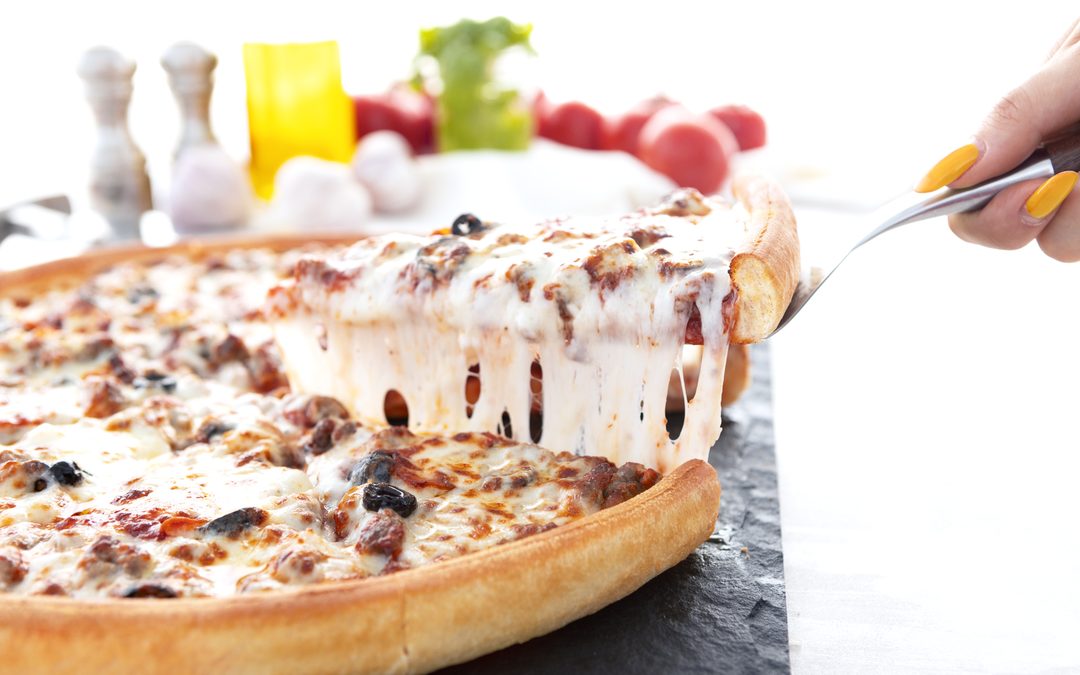
The brown spots on your pizza cheese aren’t burned, they’re flavor. That browning is called the Maillard reaction, and it’s the single biggest reason a properly baked pizza tastes completely different from one pulled out too early. Those golden-brown patches on the mozzarella surface contain hundreds of flavor compounds that don’t exist in un-browned cheese. Here’s the food science behind why browning matters, which cheeses brown best, and how to get it right at home.
What the Maillard Reaction Actually Is
The Maillard reaction is a chemical process that occurs when amino acids (from proteins) react with reducing sugars in the presence of heat. It’s named after French chemist Louis-Camille Maillard, who first described it in 1912. It’s the same reaction that makes bread crusts golden, steak surfaces caramelized, coffee beans dark during roasting, and chocolate complex during processing.
- Temperature threshold: The Maillard reaction starts around 280°F (140°C) and accelerates rapidly above 350°F. This is why pizza from a hot oven (500°F+) has dramatically better cheese flavor than pizza from a lukewarm oven that never got hot enough to trigger proper browning
- Not the same as caramelization: Caramelization is the browning of pure sugars (no protein needed). The Maillard reaction requires both protein AND sugar. Since cheese has both (casein protein + lactose sugar), pizza cheese undergoes Maillard browning, not simple caramelization, and the flavor compounds are different and more complex
- Hundreds of flavor compounds: The Maillard reaction produces over 600 distinct flavor and aroma compounds. These include pyrazines (nutty/roasted notes), furanones (caramel-like sweetness), and various sulfur compounds (savory/meaty notes). None of these exist in un-browned cheese, they’re created exclusively by the heat reaction
- Color is a proxy for flavor: The darker the brown spots, the more Maillard compounds have formed, up to a point. Golden-brown = optimal flavor development. Dark brown = still flavorful but approaching bitter. Black = carbonization (actual burning), which produces acrid, bitter compounds that overpower the good stuff
- Visual indicator: The term pizza people use is “leopard spotting”, an irregular pattern of golden-brown spots on the cheese surface with lighter areas between them. This pattern means the oven was hot enough for browning but the pizza wasn’t left in long enough to cross into burnt territory
Browning vs Burning. The Critical Distinction
Understanding the difference between browning and burning is essential because they’re fundamentally different chemical processes that produce opposite flavor outcomes.
| Stage | Color | Temperature | Flavor | Verdict |
|---|---|---|---|---|
| Un-browned | White/pale yellow | Under 280°F | Mild, bland, milky | Underdone |
| Light browning | Light golden spots | 300–350°F | Slightly nutty, beginning complexity | Getting there |
| Optimal browning | Golden-brown leopard spots | 350–425°F surface | Nutty, toasty, complex, savory | Perfect |
| Heavy browning | Dark brown patches | 425–475°F surface | Intense, slightly bitter edge | Still good, approaching limit |
| Burning | Black spots/patches | Above 475°F surface | Acrid, bitter, unpleasant | Overdone, crossed the line |
- Good browning is controlled: The golden-brown spots should cover 30–50% of the cheese surface with paler areas between them. This indicates the oven delivered enough top heat to trigger the reaction in exposed areas while the cheese mass below stayed properly melted
- Bad browning is uniform: If the entire cheese surface is dark brown or the edges are black, the pizza was either too close to the heat source or left in too long. At Godfather’s, our oven calibration prevents this, the cheese hits optimal browning consistently
- Under-browning is the more common error: Most home-baked and chain pizza is under-browned (too pale). The cheese melts but never develops the Maillard compounds. The result tastes like melted cheese on bread, technically pizza, but missing 60% of the flavor potential. If your pizza cheese is uniformly pale yellow, your oven isn’t hot enough or the bake time is too short
Which Cheeses Brown Best on Pizza
Not all cheeses have the same browning potential. The Maillard reaction rate depends on three factors: protein content, sugar content, and moisture level. Different cheeses bring different browning characteristics to the pizza surface. See also why pepperoni curls when it bakes.
- Low-moisture mozzarella (the standard): The most reliable pizza browning cheese. Low moisture means less steaming (steam prevents browning by keeping the surface below 212°F). High protein (casein) and moderate lactose sugar provide the reactants for consistent Maillard browning. This is what most American-style pizzerias use, including Godfather’s
- Fresh mozzarella: High moisture content means more steaming and less browning. Fresh mozz melts beautifully (those Instagram cheese pulls) but browns poorly because the surface stays wet too long. Neapolitan pizzerias compensate with 800°F+ ovens that evaporate the moisture in 60 seconds, home ovens can’t do this
- Cheddar: Browns aggressively (more sugar (lactose) than mozzarella, which accelerates the Maillard reaction. Cheddar on pizza produces deep golden-brown spots with intense, complex flavor. This is why our Taco Pie (mozzarella + cheddar blend) develops such rich browning) the cheddar component pulls the color deeper
- Parmesan / Romano: Hard, aged cheeses with very low moisture and very high protein. They brown the fastest and most intensely of any pizza cheese, which is why parmesan-topped breadsticks develop such a deeply flavored, nutty brown surface
- Provolone: Similar to mozzarella but with slightly more tang. Browns comparably but adds a sharper flavor note to the browned areas. Some pizzerias blend provolone with mozzarella for a more complex cheese flavor
The U.S. produces over 5.5 billion pounds of mozzarella annually, most of it destined for pizza. Low-moisture mozzarella became dominant over fresh mozzarella in American pizza not because it tastes better raw (it doesn’t) but because it browns better in commercial ovens. The entire American pizza industry optimized around browning chemistry.
How Godfather’s Gets It Right
Consistent cheese browning is one of the hardest things to achieve in pizza, it requires the right cheese, the right oven temperature, the right bake time, and the right cheese placement. Here’s how our kitchen handles it. See also what makes crust crispy or chewy.
- Cheese selection: We use low-moisture mozzarella as our base cheese, chosen specifically for its reliable browning characteristics, clean melt, and consistent flavor across every pizza
- Oven calibration: Our commercial oven temperature is set to produce optimal Maillard browning on the cheese surface within our standard bake time. The balance is precise, hot enough to brown, controlled enough to prevent burning
- Specialty blends: Different pizzas use different cheese combinations. The Taco Pie adds cheddar for deeper browning and Tex-Mex flavor. Our “Seasoned Cheese” blend on certain specialties adds herbs that enhance the browning flavor profile
- Crust interaction: On our Golden crust, the thicker dough base absorbs more bottom heat, which indirectly affects the cheese, the longer bake time gives the cheese surface more time to develop browning. On Original crust, the faster bake produces slightly lighter browning but with more distinct spots
- Quality control: Every pizza that leaves our kitchen gets a visual check for proper browning. Pale cheese = back in the oven. Black spots = remake. The browning is part of our quality standard, not an afterthought
How to Get Better Browning at Home
If your homemade pizza cheese looks pale and un-browned, the fix is usually straightforward, it’s almost always a temperature or technique issue, not a cheese quality issue. See also the best cheese blends for pizza.
- Crank the heat: 500°F minimum. If your oven goes to 550°F, use it. The Maillard reaction accelerates dramatically above 400°F, every 25°F increase in oven temperature produces noticeably more browning in the same bake time
- Use the broiler: For the last 60–90 seconds of baking, switch to broil. The direct overhead radiant heat browns the cheese surface rapidly and mimics the top-heat element in commercial ovens. Watch it closely, the cheese goes from golden to burnt in about 45 seconds under the broiler
- Dry the cheese: If you’re using fresh mozzarella, pat it with paper towels before putting it on the pizza. Excess surface moisture creates steam that keeps the cheese below 212°F, which is well below the 280°F threshold where Maillard browning begins. Drier cheese = faster browning
- Use low-moisture mozzarella from a block: Pre-shredded bagged cheese contains cellulose (anti-caking powder) that can interfere with browning and melting. Block cheese, freshly shredded, melts smoother and browns more evenly. The quality difference in the browned result is immediately visible
- Don’t overload toppings: Too many wet toppings (fresh tomatoes, mushrooms, peppers) release moisture during baking that steams the cheese surface and prevents browning. If you want well-browned cheese AND loaded toppings, pre-cook the wet toppings to remove moisture before assembly
- Or order from us: Our commercial oven and cheese spec are calibrated for consistent, optimal browning on every pizza. Order online and the cheese will be perfectly browned when it arrives at your door, no home-oven experiments needed
The Browning Spectrum Across Menu Items
Different items on our menu develop browning differently based on their cheese type, topping coverage, and bake profile:
| Menu Item | Cheese Used | Browning Level | Flavor Effect |
|---|---|---|---|
| Cheese pizza | Mozzarella | Even, moderate | Clean, nutty, pure cheese flavor |
| Classic Combo | Mozzarella | Moderate, toppings shade some areas | Complex, browning + 6 topping flavors |
| Taco Pie | Mozzarella + cheddar | Deep, cheddar accelerates browning | Rich, intense, Tex-Mex complexity |
| Breadsticks | Parmesan + romano | Intense, hard cheeses brown fastest | Deeply nutty, sharp, concentrated |
| Cheesesticks | Mozzarella | High, exposed cheese surface | Crispy edges, gooey center |
Our ovens are calibrated for optimal cheese browning on every pizza, golden-brown leopard spots with complex Maillard flavor. No pale cheese, no burnt spots, no experiments. Order at godfathers.orderexperience.net or call (210) 750-2222.
Frequently Asked Questions
Are the brown spots on pizza cheese safe to eat?
Yes, completely safe and highly desirable. Brown spots on cheese are the result of the Maillard reaction, a flavor-producing chemical process that occurs when proteins and sugars react at high heat. They’re not burnt and they’re not harmful. They contain hundreds of complex flavor compounds that don’t exist in un-browned cheese. They’re the most flavorful part of the pizza surface.
Why doesn’t my homemade pizza get brown spots?
Almost always a temperature issue. Home ovens at 400°F don’t trigger enough Maillard browning in a normal bake time. Solutions: increase to 475–500°F, preheat for 30+ minutes, use a pizza stone or steel, and finish with 60–90 seconds under the broiler. Also use low-moisture mozzarella from a block, pre-shredded bagged cheese has anti-caking agents that interfere with browning.
Which pizza cheese browns the best?
Low-moisture mozzarella is the most reliable browning cheese and the standard for American-style pizza. Cheddar browns more aggressively with deeper color (used on our Taco Pie). Parmesan/romano brown the fastest and most intensely (used on our breadsticks). A mozzarella-cheddar blend gives the best of both, consistent melt with enhanced browning and deeper flavor.
What’s the difference between browning and burning on pizza?
Browning (Maillard reaction) produces golden-brown spots with nutty, complex, savory flavors (desirable and delicious. Burning (carbonization) produces black spots with acrid, bitter flavors) undesirable and unpleasant. The transition from optimal browning to burning happens quickly at high temperatures, about 30–45 seconds separates “perfect” from “overdone” at 500°F.
Does Godfather’s Pizza have good cheese browning?
Yes, cheese browning is part of our quality standard. Our commercial ovens are calibrated to produce consistent golden-brown Maillard browning on every pizza. We use low-moisture mozzarella for reliable browning, and specialty pizzas like the Taco Pie use cheddar blends for enhanced browning depth. Every pizza gets a visual check before it leaves the kitchen.