
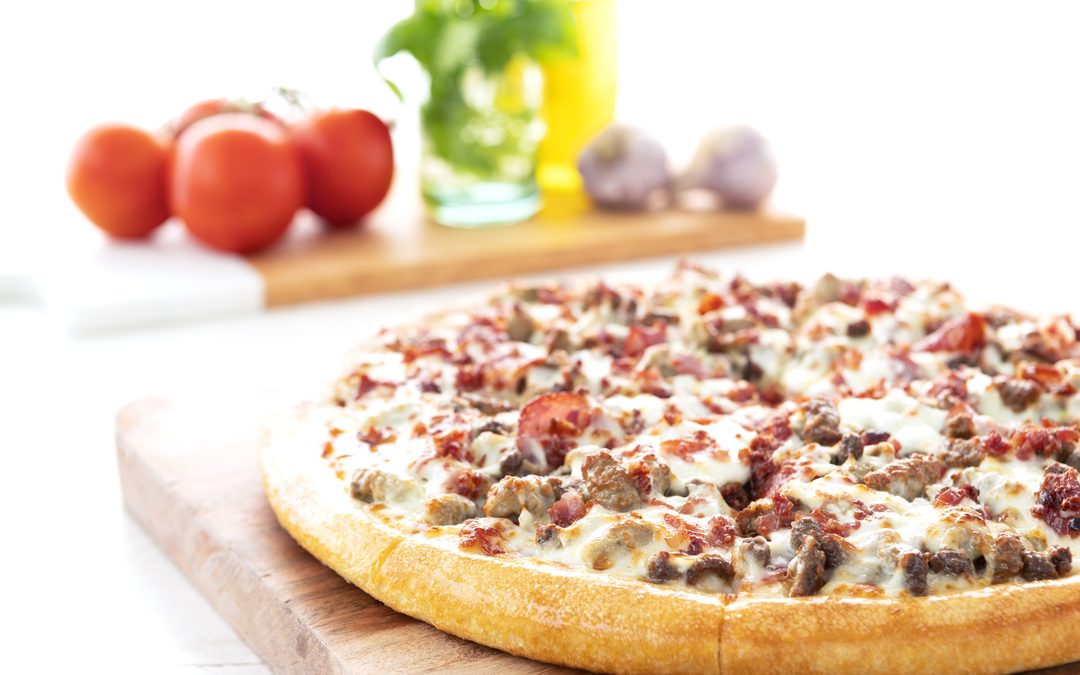
400 calories of pizza is about one regular slice topped with cheese and a meat like pepperoni or sausage. A thin crust slice runs closer to 200 calories, while a single thick or stuffed-crust slice can blow past 400 on its own. Toppings, extra cheese, and portion size all shift the number, so two thin slices and one loaded thick slice can land in the same calorie range.
Flatbread Pizza Crust Mix with Tigernut Flour, 103 Oz
Specialty tigernut flour flatbread crust mixes get marketed as a lower-calorie pizza base, and a bulk 103 oz bag looks like a commitment to lighter homemade pies. But crust accounts for only about 30 to 40% of the total calories in a finished slice. Once you add cheese, sauce, and real toppings, your homemade flatbread lands between 350 and 400 calories per slice.
| Scenario | Calorie Savings Over Regular Slice | The Catch | Better Move |
|---|---|---|---|
| Tigernut flatbread with veggies only | 30-50 fewer calories | An hour of prep and cleanup for a marginal cut | Order a thin crust veggie slice |
| Tigernut flatbread with pepperoni and cheese | Under 20 fewer calories | Toppings drive most of the calorie total regardless of crust | Grab a one-topping slice, skip the flour aisle |
| Plain tigernut flatbread, no toppings | About 150 fewer calories | That is bread, not pizza | Nobody wants bread for pizza night |
| Bulk 103 oz bag, weekly baking | Varies by recipe and topping choices | Most bags expire before you finish half | Put that grocery run toward fresh pizza |
| Store-bought tigernut crust, frozen | 20-40 fewer calories | Freezer taste plus 25 minutes of oven preheat | Call Godfather’s for fresh pizza delivered |
Swapping specialty flour barely moves the calorie needle when cheese and toppings account for the majority of the total count. If you want a real pizza slice that stays around 400 calories, skip the bulk flour bags and order a thin crust with one or two toppings from a shop that bakes fresh daily. At Godfather’s, we roll dough every morning. Every pie fires in a deck oven. You get a slice that hits your number without turning your kitchen into a baking experiment. Same calorie range as homemade, zero prep time, zero cleanup.
How Many Calories Are in a Slice of Pizza?
A standard slice of cheese pizza from a 14-inch pie runs 270 to 300 calories. Add pepperoni and you’re closer to 290 to 350. Pile on sausage, extra cheese, and a thick crust, and a single slice can hit 400 calories or more. The crust style and topping count shift the number more than most people expect.
The mistake most people make is eyeballing a “slice” without knowing how big the pie was. A slice from a 10-inch pizza and a slice from an 18-inch pizza are not the same meal. One eighth of a large pie can carry twice the calories of one eighth of a small. When you’re tracking calories, ask about the pie size first, then count toppings second.
At Godfather’s, our thin crust keeps the base calories lower, so more of your calorie budget goes toward the toppings you actually want. A veggie slice on thin crust sits closer to the 200 to 280 calorie range. A loaded meat slice on thick crust climbs past 400. The difference between those two slices is the crust thickness and about three toppings. If you’re watching your count but still want real pizza, start with thin crust and build from there. Two slices of veggie thin crust can come in under 400 calories total.
What Does 400 Calories of Pizza Look Like?
400 calories of pizza looks like one and a half slices of plain cheese on thin crust, or just a single loaded slice on a thicker base with heavier toppings piled on. The difference on your plate is real. Your crust pick and topping choices decide whether 400 calories fills the plate or barely covers a corner.
- Thin crust cheese gives you the most plate coverage. Since each slice runs on the lighter end of the calorie scale, 400 calories gets you one full slice plus a generous half of another. That’s the most visible food per calorie of any pizza build you can order.
- Thick crust shrinks your portion fast. The heavier dough base means 400 calories is one slice, period. On the plate it looks like less food even though the slice weighs more because you’re eating more bread and less visible topping surface.
- A loaded meat slice is a one-slice meal. Something like our Hot Stuff with Italian sausage and pepperoni on hand-tossed crust hits that 400-calorie mark in a single triangle. It looks like a solid, filling portion because the toppings add real density.
- Veggie toppings stretch the visual. Swap meat for mushrooms, green peppers, and onions on thin crust and 400 calories gets you close to two full slices. On the plate, that’s a noticeably bigger spread, and the vegetables add color and volume without a big calorie jump.
What Counts as a 400-Calorie Pizza Portion?
A 400-calorie pizza portion is not a fixed size. The number of slices you get depends on crust type, topping count, cheese load, and how the pie was cut. Two slices of plain thin crust and one loaded thick crust slice can both land right at 400, so the portion looks different every time you order.
- Crust thickness is the biggest variable: Thin crust runs 50 to 80 fewer calories per slice than hand-tossed or pan. That single choice determines whether your 400-calorie budget buys you a generous portion or barely covers one piece. When you are counting, crust style is the first thing to lock in.
- Each meat topping adds up fast: Every meat you stack on puts another 30 to 50 calories on each slice. A three-meat combo on thick crust can blow past 450 calories in a single piece. Pick one or two meats and you keep more room in your 400-calorie window for a second slice.
- Slice count matters more than you think: A 14-inch pizza cut into 10 slices instead of 8 gives you naturally smaller portions. Smaller slices let you stop at exactly 400 calories without guessing. If you order a whole pie at home, cut it into more pieces and you control the math.
- Extra cheese is the hidden bump: Adding extra cheese tacks on 40 to 60 calories per slice, and it is the one upgrade most people forget to factor in. That bump alone can shrink your 400-calorie portion by close to half a slice, turning what looked like a two-slice meal into a strict one-slice situation.
A Slice of Pizza Is Not Always 300 Calories
That “300 calories per slice” figure you see online is based on a USDA reference serving. It assumes a 14-inch cheese pie cut into 8 equal slices with a standard mozzarella layer and no meat toppings. Most pizza shops in San Antonio do not cut their pies that precisely, and most customers do not order plain cheese with nothing on top. That number tells you very little about real pizza.
When you order a whole pie from Godfather’s, ask how many slices it comes in. A 16-inch pie cut into 10 slices gives you smaller, more predictable portions than the same pie cut into 6. That difference alone can mean 100 fewer calories per slice without changing a single topping. If you are tracking what you eat, knowing the slice count before you order tells you more than any calorie chart online.
Cut a large pie into 6 slices instead of 8, and each piece jumps to roughly 400 calories with nothing extra on it. Swap a thin crust for a thicker hand-tossed base, and you add another 50 to 80 calories per slice just from the dough. Cheese load swings things even further. A standard mozzarella blend runs about 80 calories per ounce, but the actual amount that ends up on each slice changes from shop to shop and even from one shift to the next at the same kitchen. A frozen pizza label is exact. A restaurant slice never is.
Pizza Slices That Add Up to 500 Calories
500 calories is where most people end up after two slices, and sometimes after just one. Two slices of plain thin crust cheese from a 14-inch pie sit right around 500, and that is the lightest combination you can build before toppings, extra cheese, or a thicker dough push a single slice past the 500 line on its own. Crust is the biggest variable.
| Slice Style | Est. Calories per Slice | Slices to Hit 500 | What Drives the Count |
|---|---|---|---|
| Thin crust cheese | 250-280 | 2 | Cheese and thin dough carry the full load |
| Hand-tossed pepperoni | 300-330 | 1.5 | Rendered pepperoni fat adds 40-60 calories per slice |
| Thick crust sausage | 350-380 | 1.5 | Denser dough plus pork sausage |
| Meat combo on regular crust | 390-430 | 1-1.5 | Multiple proteins and extra cheese layers |
| Deep dish or stuffed crust | 450-500 | 1 | Cheese baked inside the crust adds a full layer |
When you order from Godfather’s, thin crust keeps you in the two-slice-for-500 zone, which gives you enough food to feel full without going over what you planned for dinner. Go with a loaded thick crust and you are past 500 before you finish the first piece. Not a warning, just math. Knowing which row in the chart matches your usual order helps you plan the rest of your meal around the pizza instead of guessing after the box is empty.
Frequently Asked Questions
How many slices of pizza equal 500 calories?
For a standard 14-inch cheese pizza cut into 8 slices, you are looking at roughly one and a half to two slices to hit 500 calories. A plain cheese slice runs about 270 to 300 calories, so two slices put you right around 550. Swap in pepperoni or sausage and one and a half slices gets you there faster since meat toppings push each slice closer to 320 to 350. Thin crust runs lighter per slice, so you might squeeze in two full slices and stay under 500. Thick crust or loaded specialty pies flip that math the other direction.
Does the type of crust change how much pizza you get for 400 calories?
Crust style is the single biggest variable. A thin crust cheese slice can come in around 200 to 230 calories, meaning 400 calories gets you close to two full slices. Switch to a thick, doughy crust and that same 400 calories might only cover one slice and a small bite of a second. The crust accounts for a large share of the total calories in any slice because of the flour, oil, and butter content. If you want more pizza per calorie, go thinner. If you want that bread-heavy bite, just plan for fewer slices.
How do you actually estimate pizza calories when you are eating out?
Start with the slice size. A standard slice from a 14-inch pie is roughly one-eighth of the whole pizza. Cheese-only slices from most shops land between 270 and 300 calories each, so one slice plus a small portion of a second gets you to about 400. Add toppings and adjust upward, roughly 20 to 50 extra calories per meat topping on a slice. Vegetables add less, usually 5 to 15 calories per topping. The honest move is to pick your toppings, eat one slice, and know you are sitting right around 300 to 350 before reaching for the second.
What mistakes do people make when estimating pizza calories?
The biggest mistake is ignoring cheese quantity. Extra cheese can add 80 to 100 calories per slice, and most people do not factor that in. The second mistake is treating all slices as equal. A corner slice from a square-cut pizza and a triangle slice from a round pie are very different portions even from the same pizza. People also forget about dipping sauces. Ranch or garlic butter on the side can add 100 to 150 calories per serving without feeling like food. Finally, stuffed crust and cheese-filled edges add calories that do not look like much on the plate.
What toppings keep a slice closest to the 400-calorie mark for two slices?
Vegetables are your best bet if you want two slices near 400 calories total. Mushrooms, onions, green peppers, and tomatoes add flavor without piling on calories. Two veggie slices from a standard 14-inch thin crust pie can land between 380 and 440 calories combined. On the other end, two slices loaded with pepperoni, sausage, and extra cheese can push past 700 calories. A good middle ground is one meat topping on a regular crust. That keeps two slices in the 550 to 650 range, which is reasonable for a full meal.
- Pizza and PCOS: What to Order Without Wrecking Your Progress
- Pizza as Recovery Food: What to Order After Surgery or Illness
- Can a 2-Year-Old Eat Pizza? The Parent's Guide From a Pizza Shop
- Pizza Bodybuilding: Can You Get Jacked on Slices?
- Is Pizza Actually Bad for Kids? What a Pizza Shop Thinks You Should Know
- Pizza and Heartburn: Which Toppings Make It Worse (and Which Don't)
- Pizza and Diabetes: How to Order Smarter, Not Less
- Can You Eat Pizza While Pregnant? A Pizza Shop Finally Answers
- Frozen vs. Delivery vs. Homemade Pizza: Which Is Actually Lighter?
- What Pepperoni Actually Costs You: 5 Pizza Chains Compared
- How Much Sodium Is in a Loaded Meat Slice? 5 Chains Compared
- Pizza Nutrition, Compared: Calories, Sodium & Protein Across 5 Chains
- Why Pizza Is Better Post-Workout Than You've Been Told
- The Toppings That Turn Pizza Into a High-Protein Meal
- Can You Eat Pizza on a Diet? I Did the Math.
- Keto Pizza Is Mostly a Scam. Here's What Actually Works.
- I Eat Pizza Every Single Day. I’m Also Leaner Than Almost Everyone Telling Me Not To.