
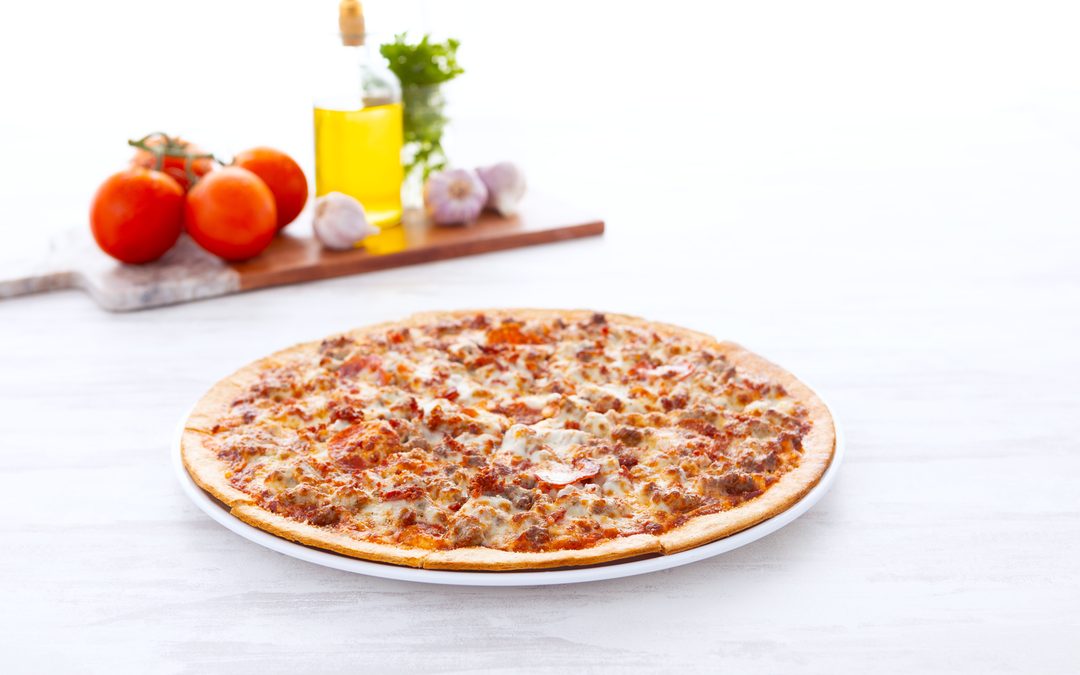
Pizza works fine with diabetes when you make a few smart swaps. The two biggest trouble spots are refined-flour crust driving an immediate blood sugar spike and high-fat toppings causing a second, slower rise hours later. A thin crust loaded with vegetables instead of extra cheese and processed meat cuts the carb load enough to keep most glucose readings steady.
Eating Pizza With Diabetes
Pizza and diabetes can work together when you make the right choices about crust and toppings. The immediate spike is not the problem. It is the delayed blood sugar rise that shows up 3 to 5 hours later. Cheese and meat slow your body’s processing of the carbs, keeping blood sugar elevated well past the point where you would expect it to drop.
Order a thin crust and load it with vegetables and meat instead of doubling down on cheese. Green peppers, onions, sausage, and chicken add protein and fiber that slow carb absorption. At Godfather’s, you can build your own pie with as many toppings as you want. Pair 2 slices with a side salad to round out the meal and keep your blood sugar steadier through the evening.
We talk to customers all the time who manage their diabetes and still order pizza every week. Most of them have figured out their own system through a little trial and patience. Start with 2 slices of our thin crust, pay attention to how your body responds over the next few hours, and tweak your order next time based on what you learn. Some folks swap extra cheese for more vegetables and lean meats. Others eat a side salad first. Once you know what works for you, pizza night stays on the calendar without the stress or the guesswork.
Why Pizza Can Be Tricky?
Pizza is tricky because its combination of carbs, fat, and protein creates 2 separate blood sugar events instead of one. The refined flour in the crust spikes glucose fast, but the fat in cheese and the protein in meat slow everything else down. Your body ends up processing the same meal across a 4 to 5 hour window.
- Crust type sets the carb floor: Thick, doughy crusts carry significantly more carbs per slice than thin crust does. The bigger the initial carb load, the bigger and more prolonged the blood sugar response that follows. Thin crust is one of the simplest adjustments you can make.
- Cheese and meat extend the timeline: Mozzarella, sausage, and pepperoni are loaded with fat and protein. These slow digestion and keep blood sugar elevated for hours after the crust carbs have already been absorbed. That stubborn late rise is the part most people are not prepared for.
- Portion size sneaks up on you: Pizza slices do not feel heavy until you have had 3 or 4, but each one stacks more carbs and fat on top of what your body is still processing from the first slice. By the time you feel full, the carb total is already higher than planned.
- Every pizza is a different meal: A veggie thin crust and a loaded meat thick crust hit your blood sugar in completely different ways. The toppings, the crust style, and the number of slices all change the equation, so what worked last Friday night might not work this Friday.
Can Pizza Raise Blood Sugar?
Pizza raises blood sugar, and the size of that rise comes down to what you order. A single slice of thick, refined-flour crust packs significantly more carbohydrates than 2 slices of thin crust. The chart below shows how each component of your order stacks up so you can make swaps that keep your glucose more stable.
| Pizza Component | Carb Level | Effect on Blood Sugar |
|---|---|---|
| Thick, refined-flour crust | High | Largest contributor to glucose spikes |
| Thin crust | Moderate | Reduces total carb load per slice |
| Whole-wheat crust | Lower | Fiber slows glucose absorption |
| Cauliflower crust | Lowest | Minimal carb impact from the base |
| Cheese | Low carbs, high fat | Extends glucose elevation for hours |
| Meat toppings | Very low carbs, high protein | Slows digestion, extends glucose curve |
| Vegetable toppings | Very low | Adds fiber, reduces overall spike |
When you order from Godfather’s, thin crust is your best starting point. Load it with vegetables and protein-heavy meats instead of piling on extra cheese, and you reduce the carb-to-fat ratio that drags glucose levels up for hours. A slice of thin crust with Italian sausage and green peppers gives you a filling meal without the prolonged blood sugar disruption that a thick, cheese-loaded slice creates.
The Foods That Cause the Biggest Blood Sugar Spikes
Refined carbohydrates cause the biggest blood sugar spikes. Pizza is not the worst offender. White bread, white rice, sugary cereals, and sodas all send glucose climbing faster than a slice of thin crust topped with cheese and meat. The difference with pizza is the delayed second rise from fat and protein that straight carb foods never trigger.
Most people assume the sweetest foods cause the worst blood sugar spikes. That is backwards. Starchy refined carbs do more damage than candy because you eat larger portions of them. A single bagel delivers more carbohydrates than most candy bars. The real problem foods are the ones that look harmless on the plate: white rice, white bread, flour tortillas, and breakfast cereals. Pizza at least brings protein and fat along for the ride, which changes how fast glucose hits your bloodstream.
When you line pizza up against the real spike leaders, the picture changes. Pure starch meals like white pasta or a biscuit flood your system with carbs and offer nothing to slow absorption. A soda is pure sugar with zero buffer. Go with a thin crust and load it with sausage, pepperoni, and vegetables if you are managing blood sugar and still want pizza night. That combination keeps the carb count lower and the protein higher, which is exactly the kind of custom build you can easily put together at Godfather’s with your choice of toppings.
Choosing the Best Pizza for Diabetes?
The best pizza for diabetes is one built on thin crust with protein-heavy toppings and light sauce. Every choice you make when ordering either adds carbs to your plate or replaces them with ingredients that slow digestion. Think of your pizza order as 4 decisions: crust, protein, sauce, and portion size.
- Crust type: Go thin. Thin crust cuts the refined flour on your plate roughly in half compared to a thick or stuffed base. When you order from Godfather’s, our thin crust gives you real crunch and flavor with fewer carbs per slice.
- Protein toppings: Stack your pizza with grilled chicken, sausage, or a combination of both. Protein slows how fast your body processes the carbs in the crust, which means a more gradual blood sugar response instead of a sharp spike followed by that stubborn delayed rise.
- Sauce choice: Some pizza sauces carry hidden sugar that stacks on top of the carbs already in the dough. Ask for light sauce or swap to a garlic olive oil base. That one change removes a carb source most people miss when they focus only on the crust.
- Portion control: 2 slices of a well-topped thin crust pizza is a full meal. Add a side salad for fiber, which slows carb absorption and keeps you satisfied. Going for 3 or 4 slices is where most people undo every smart choice they made on crust and toppings.
How Many Slices of Pizza a Type 2 Diabetic Can Eat
Most type 2 diabetics can eat 1 to 2 slices per sitting without sending blood sugar off the rails. The actual number depends on the crust, the toppings, and how your body handles carbs that particular day. One slice of thick crust carries roughly the same carb load as 2 slices of thin crust.
| Crust Type | Approx Carbs Per Slice | Suggested Slices | Blood Sugar Impact |
|---|---|---|---|
| Thick, traditional | 35-40g | 1 | Sustained rise lasting 3-5 hours |
| Thin crust | 20-25g | 1-2 | Shorter spike, easier to manage |
| Cauliflower crust | 10-15g | 2 | Lowest carb load, fastest recovery |
| Whole wheat thin | 22-28g | 1-2 | Slower, more gradual rise |
| Stuffed crust | 40-50g | 1 | Highest carb option, longest impact |
Start with 1 slice, check your blood sugar about 2 hours later, and decide if you want another. Thin crust with protein toppings like chicken, sausage, or vegetables gives you more food with fewer carbs per slice. The protein and fat slow down carb absorption, which is why a loaded thin crust handles better than plain cheese on thick dough. When you order from Godfather’s, build your pizza on thin crust and pile on the toppings. You get more food per slice without doubling the carbs.
Frequently Asked Questions
How does pizza affect blood sugar levels in people with diabetes?
Pizza creates what diabetes educators call a “delayed spike.” The carbs in the crust cause an initial blood sugar rise within the first hour or 2. Then the fat from cheese and toppings slows digestion, which can trigger a second, longer rise 4 to 6 hours after eating. Many people find their blood sugar looks fine at the 2-hour check but climbs steadily after that. Monitoring at both the 2-hour and 4-hour marks gives you a much clearer picture of how your body handles pizza on any given night.
How many slices of pizza can a type 2 diabetic eat?
Most diabetes educators suggest 1 to 2 slices as a reasonable starting point. A single slice of regular crust pizza has roughly 30 to 36 grams of carbs, so 2 slices can push you past 60 grams in one sitting. Thin crust cuts that number down significantly. The real answer depends on your individual carb tolerance, your medication, and what else is on your plate. Start with 1 slice, check your blood sugar 2 hours later, and adjust from there. Your endocrinologist or dietitian can help you dial in the right number for your body.
Is managing pizza different for type 1 diabetes compared to type 2?
The core challenge is the same: pizza’s combination of carbs and fat creates unpredictable blood sugar patterns. For type 1, the main difficulty is timing insulin correctly. Many people use an extended bolus or split dose to cover both the immediate carb hit and the delayed fat effect hours later. For type 2, the focus is usually portion control and choosing lower-carb crust options. People managing type 2 with oral medication alone have less flexibility to offset a high-carb meal, so crust choice and slice count matter even more.
What is the best type of pizza crust for diabetics?
Thin crust is the most practical option for managing blood sugar. A thin crust slice typically has 20 to 25 grams of carbs compared to 30 to 40 grams for a regular or thick crust slice. That difference adds up fast over 2 slices. Whole wheat crust offers more fiber, which can slow the blood sugar rise, though total carb count stays similar. Cauliflower and almond flour crusts have the lowest carb counts but are harder to find when ordering out. Thin crust is on almost every menu and makes the biggest practical difference.
Is cheese pizza a better choice for diabetics than pizza with meat toppings?
Not necessarily. Plain cheese pizza has slightly fewer calories per slice, but the carb count stays about the same because most carbs come from the crust, not the toppings. Adding protein-rich toppings like sausage, chicken, or pepperoni can actually slow digestion and reduce the initial blood sugar spike. The trade-off is that higher fat content can contribute to a longer, more sustained rise later. If you’re deciding between cheese and a meat topping, the protein option may give you a more gradual blood sugar curve, though total carbs from the crust remain the biggest factor.
- Pizza Bodybuilding: Can You Get Jacked on Slices?
- Can a 2-Year-Old Eat Pizza? The Parent's Guide From a Pizza Shop
- What Does 400 Calories of Pizza Actually Look Like?
- Is Pizza Actually Bad for Kids? What a Pizza Shop Thinks You Should Know
- Pizza and Heartburn: Which Toppings Make It Worse (and Which Don't)
- Can You Eat Pizza While Pregnant? A Pizza Shop Finally Answers
- Frozen vs. Delivery vs. Homemade Pizza: Which Is Actually Lighter?
- What Pepperoni Actually Costs You: 5 Pizza Chains Compared
- How Much Sodium Is in a Loaded Meat Slice? 5 Chains Compared
- Pizza Nutrition, Compared: Calories, Sodium & Protein Across 5 Chains
- Keto Pizza Is Mostly a Scam. Here's What Actually Works.
- Can You Eat Pizza on a Diet? I Did the Math.
- The Toppings That Turn Pizza Into a High-Protein Meal
- Why Pizza Is Better Post-Workout Than You've Been Told
- I Eat Pizza Every Single Day. I’m Also Leaner Than Almost Everyone Telling Me Not To.